Harolyn Suzanne Nicholas: 5 Incredible Ultimate Family Story & Best Biography
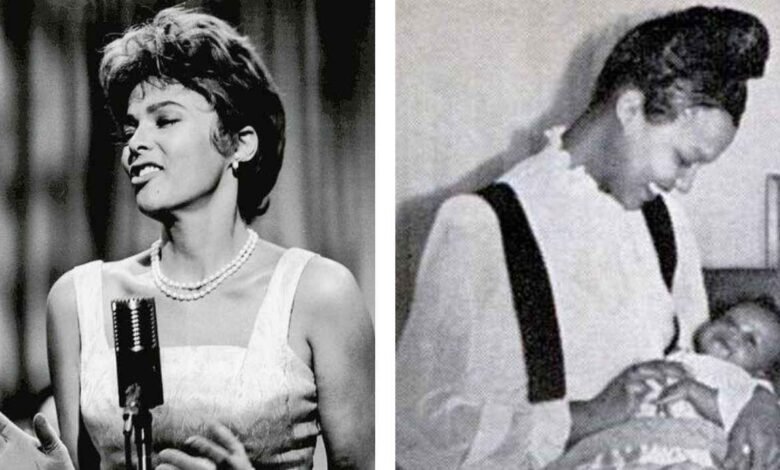
Harolyn Suzanne Nicholas was born on September 2, 1943, in Los Angeles, California, to world-famous parents, Dorothy Dandridge and Harold Nicholas. Despite being born into Hollywood royalty, her life took a profoundly tragic turn early on. She suffered severe brain injury during birth due to oxygen deprivation, a medical condition known as cerebral anoxia. This non-progressive brain disorder severely hindered her speech development and cognitive growth, leaving her requiring specialized lifelong care. Her tragic narrative remains deeply intertwined with the historic legacy of her groundbreaking mother.
Quick Bio
| Detail | Information |
| Full Name | Harolyn Suzanne Nicholas |
| Date of Birth | September 2, 1943 |
| Place of Birth | Los Angeles, California, USA |
| Date of Death | 2003 (aged 60) |
| Mother | Dorothy Jean Dandridge |
| Father | Harold Lloyd Nicholas |
| Medical Condition | Cerebral Anoxia / Brain Damage at birth |
Early Life and Family Background
Harolyn Suzanne Nicholas was born into an extraordinarily talented artistic family that shaped entertainment history. Her mother, Dorothy Dandridge, was a pioneering African American actress and singer who broke major racial barriers in Hollywood. Her father, Harold Nicholas, was one-half of the legendary tap-dancing duo known worldwide as the Nicholas Brothers. Given the incredible fame and glamour surrounding her parents, expectations for the young girl were exceptionally high from the start. However, circumstances surrounding her birth led to unforeseen challenges that altered her life path permanently.
Medical Diagnosis and Health Challenges

Harolyn Suzanne Nicholas experienced complications during delivery that resulted in severe oxygen deprivation to her brain. Doctors eventually diagnosed the young child with cerebral anoxia, causing irreversible damage to her central nervous system. The condition severely impaired her ability to speak, recognize family members, or perform everyday tasks independently. Her devoted mother spent immense energy and financial resources seeking top medical opinions across the country. Despite visiting numerous specialists, medical technology at the time offered limited remedies for her profound developmental delays and cognitive disabilities.
Impact on Dorothy Dandridge’s Career
Harolyn Suzanne Nicholas had a profound emotional and financial influence on her mother’s legendary acting career. Dorothy Dandridge worked tirelessly to secure high-paying performance roles to cover expensive private medical care and home caretakers. Balancing demanding studio shooting schedules with intensive special needs parenting created overwhelming pressure on the Hollywood star. Her mother’s unwavering dedication to funding her treatment often dictated which film contracts and nightclub dates she accepted. The emotional weight of her condition remained a constant, heartbreaking backdrop throughout her mother’s career achievements.
The Role of Harold Nicholas

Harolyn Suzanne Nicholas experienced minimal emotional or financial support from her famous father, Harold Nicholas. Harold struggled to accept his daughter’s severe disability and spent prolonged periods away from home touring internationally. The strain ultimately fractured the marriage, leading to a high-profile divorce between the entertainment icons in nine-teen fifty-one. Dorothy Dandridge was left to navigate the immense challenges of special needs parenting virtually alone as a single mother. This absence left a lasting impact on how family obligations were managed during her early upbringing.
Caretakers and Private Home Care
Harolyn Suzanne Nicholas spent her early childhood years receiving care at home from paid private nurses and specialists. Her mother hired devoted full-time caretakers so she could work on major film sets without compromising safety. However, managing private care proved volatile, with frequent staff turnover and occasional allegations of poor treatment by staff. Dorothy continually struggled to find reliable caretakers who could adequately handle her daughter’s complex physical and mental demands. Finding compassionate, qualified caregivers remained a persistent challenge for the family during those crucial formational years.
Institutionalization and Difficult Decisions

Harolyn Suzanne Nicholas was eventually placed in Camarillo State Hospital in California when private care costs became insurmountable. By nine-teen sixty-three, severe financial hardships forced Dorothy Dandridge to make the heartbreaking choice to institutionalize her child. Relinquishing daily care broke her mother’s heart, leading to severe depression and personal distress. The decision highlighted the harsh reality faced by families of children with severe disabilities during mid-twentieth-century America. The transition marked a major turning point in her lifelong journey away from private domestic living.
Life at Camarillo State Hospital
Harolyn Suzanne Nicholas lived for decades inside California state institutional care facilities receiving continuous medical monitoring. Her environment provided structured routine, basic medical assistance, and physical care suitable for individuals with profound brain injuries. Away from the glaring spotlight of Hollywood, she lived a quiet life managed entirely by healthcare professionals. Records indicate that state funding assisted with her living expenses after her mother’s untimely passing in nine-teen sixty-five. The facility became her permanent home for the majority of her adult years.
Loss of Her Mother
Harolyn Suzanne Nicholas suffered an unimaginable loss when her mother died tragically on September eight, nine-teen sixty-five. Dorothy Dandridge was found dead at age forty-two, leaving her daughter completely without immediate family protection or maternal advocacy. Due to her severe cognitive condition, she was largely unable to process or understand the tragic passing of her mother. With no remaining trust funds or financial safety nets, state ward programs managed her long-term care indefinitely. Her mother’s tragic death stripped away her primary advocate and sole financial support system.
Later Years and Final Days
Harolyn Suzanne Nicholas continued living peacefully under medical supervision throughout the late twentieth century. Details regarding her later adult life remained private, far removed from public view and celebrity media outlets. Medical staff ensured her daily physical needs were met with dignity despite the absence of visiting family members. She passed away in two thousand three at approximately sixty years of age. Her quiet passing marked the peaceful conclusion of a life defined by immense quiet resilience despite profound hardship.
Misconceptions and Media Rumors
Harolyn Suzanne Nicholas was frequently the subject of inaccurate rumors, urban legends, and false media reporting over decades. Unsubstantiated claims often circulated suggesting she had vanished, died as a child, or was abandoned entirely in public facilities. Modern investigative journalists and biographers eventually debunked these false stories by uncovering official state facility and census records. Uncovering accurate factual information highlighted her mother’s persistent sacrifices rather than cruel neglect. Correcting historical records helped restore dignity and truth regarding her actual biographical timeline.
Legacy of Awareness for Brain Injuries
Harolyn Suzanne Nicholas inadvertently elevated public awareness regarding cerebral anoxia, child brain damage, and developmental disabilities. During an era when special needs conditions were heavily stigmatized, her mother spoke candidly on television about her daughter’s condition. Sharing her personal journey helped destigmatize childhood mental disabilities for thousands of affected American families. Her poignant story sparked crucial historical conversations about institutional reform, caretaking burdens, and early medical intervention. Her existence remains an important historical reference point in disability advocacy discussions today.
Cultural Portrayals in Film and Media
Harolyn Suzanne Nicholas was portrayed in biographical film adaptations highlighting the dramatic life of her iconic mother. In the acclaimed nine-teen ninety-nine HBO biographical movie titled Introducing Dorothy Dandridge, her compelling storyline was featured prominently. The film accurately captured the immense heartbreak, unconditional love, and financial desperation experienced by her devoted parent. Actors depicted the delicate family dynamics, educating younger generations about her story. These cinematic depictions ensured her memory remained preserved in modern popular culture history.
Historical Context of Special Needs in the 1940s
Harolyn Suzanne Nicholas was born during an era when medical knowledge regarding brain injuries at birth was severely limited. In the nine-teen forties, hospitals lacked modern diagnostic imaging and specialized neonatal intensive care technology. Parents raising children with profound cognitive deficits faced extreme social isolation and minimal community support programs. Her story reflects the broader historical systemic failures in medical care available to special needs children mid-century. Understanding her journey requires examining the restrictive social norms and medical limitations of her era.
The Financial Burden of Medical Care
Harolyn Suzanne Nicholas required continuous, highly expensive specialized medical care that strained her family’s financial resources significantly. Professional caretaking expenses quickly exhausted her mother’s personal savings and career earnings over two decades. High medical bills directly contributed to Dorothy Dandridge filing for personal bankruptcy in six-ty two. Her story underscores the crushing financial realities families experienced prior to comprehensive modern healthcare insurance coverage. Her ongoing care costs remained a dominant factor in her family’s ultimate financial ruin.
Racial Barriers in Mid-Century Healthcare
Harolyn Suzanne Nicholas faced additional systemic obstacles due to prevailing racial discrimination within the mid-twentieth-century American healthcare network. Segregated medical facilities and prejudiced medical opinions often limited access to top quality treatment programs for Black families. Despite her mother’s celebrity status, racial prejudice created extra friction when seeking specialized institutional placements. Her experiences mirror the intersectional hardships endured by minority families raising disabled children during segregation. Her history stands as a stark testament to systemic inequality in historical medicine.
Lessons on Maternal Love and Sacrifice
Harolyn Suzanne Nicholas represented the ultimate bond of maternal devotion and unconditional love from her legendary mother. Dorothy Dandridge consistently placed her child’s wellbeing above personal career ambitions, reputation, and financial security. Despite public pressures and overwhelming emotional heartbreak, her mother fought relentlessly to give her daughter comfort and safety. The story serves as a poignant reminder of the sacrifices mothers make for special needs children. Her legacy continues to resonate with caregivers facing similar emotional challenges.
Biographical Documentation and Research
Harolyn Suzanne Nicholas has been documented extensively in contemporary African American history archives and biographical literature. Researchers studying mid-century Hollywood, Black entertainment history, and disability rights frequently reference her life timeline. Fact-checking her biography has clarified misconceptions caused by sensationalized Hollywood tabloids. Accurate historical documentation ensures her life is remembered accurately alongside her famous family lineage. Archives continue to preserve her factual legacy for future scholars studying mid-century entertainment history.
Broader Impact on Disability Advocacy
Harolyn Suzanne Nicholas continues to serve as an important reference in academic discussions surrounding historical disability advocacy work. Her life story highlights the historical necessity for accessible community resources, government healthcare funding, and caregiver support. Modern advocacy groups draw valuable lessons from the systemic failures her family encountered while seeking long-term care. Raising awareness about her life encourages continued progress toward inclusive, supportive environments for individuals with severe brain injury. Her memory inspires ongoing improvements in specialized social care infrastructure today.
Remembering Her Enduring Memory
Harolyn Suzanne Nicholas remains a deeply poignant figure whose memory evokes deep empathy, respect, and historical reflection. Beyond being the daughter of famous entertainers, her life represents quiet endurance through profound personal trials. Preserving her true story honors her life journey, free from sensationalism, neglect, or historical distortion. Her narrative remains firmly woven into the historical tapestry of her mother’s enduring legacy. She is remembered today as a symbol of innocence, resilience, and unconditional family love.
Frequently Asked Questions
- Who was Harolyn Suzanne Nicholas?
- Harolyn Suzanne Nicholas was the daughter of famous actress Dorothy Dandridge and dancer Harold Nicholas.
- What medical condition did Harolyn Suzanne Nicholas have?
- She suffered from cerebral anoxia, a severe brain injury caused by oxygen deprivation at birth.
- When was Harolyn Suzanne Nicholas born?
- She was born on September 2, 1943, in Los Angeles, California.
- Where did Harolyn Suzanne Nicholas live during her adult life?
- She lived at Camarillo State Hospital in California under specialized medical supervision.
- When did Harolyn Suzanne Nicholas pass away?
- She passed away in the year 2003 at approximately 60 years of age.