Wordle commentary: 10 Best Proven Ultimate Wordle Commentary Guides & Amazing Strategy Tips

Daily word puzzles have reshaped digital entertainment, bringing millions of global players together over five-letter challenges every single morning. Among the many content styles born from this phenomenon, wordle commentary stands out as a fascinating intersection of Wordle commentary linguistic analysis, casual gaming culture, and community storytelling. Creators, bloggers, and puzzle enthusiasts regularly dissect daily solutions, celebrate lucky guesses, and analyze vocabulary patterns to help audiences improve their streaks. Whether delivered through written recaps, video walkthroughs, or social media threads, these daily discussions transform a solitary brainteaser into a shared intellectual ritual that keeps players engaged, entertained, and eager for tomorrow’s grid.
Quick Bio
| Attribute | Details |
| Topic / Keyword | Wordle Commentary |
| Category | Gaming Culture, Digital Media & Puzzle Analysis |
| Primary Format | Written Recaps, Video Walkthroughs, Social Media Threads |
| Core Focus | Daily Word Breakdowns, Starting Word Strategies, Linguistic Patterns |
| Target Audience | Casual Puzzle Players, Vocabulary Enthusiasts, Content Creators |
| Peak Popularity | Late 2021 – Present |
| Associated Platform | The New York Times Games, YouTube, TikTok, X (Twitter) |
The Rise of Daily Puzzle Discussions Online
The viral explosion of five-letter guessing games created an immediate appetite for shared post-game analysis across digital platforms. Players who solved the daily grid quickly sought spaces to compare their thought processes with friends and strangers alike. Engaging wordle commentary emerged naturally from this collective curiosity, offering insights into tricky letter placements and obscure vocabulary choices. Instead of simply posting colored square grids, fans began narrating the emotional rollercoaster of each guess. This shift turned routine morning puzzles into rich Wordle commentary conversational topics, fueling dedicated blogs, forum threads, and daily columns that dissect every linguistic twist with humor and analytical precision.
Why Players Love Analyzing Daily Word Puzzles

Human beings naturally enjoy sharing victories and commiserating over frustrating defeats, especially when solving standardized daily challenges. Reading thoughtful wordle commentary validates the mental gymnastics players experience when staring at four green tiles and a dozen remaining possibilities. When a particularly difficult word breaks thousands of winning streaks, analytical breakdowns explain why certain letter combinations fooled even seasoned veterans. Furthermore, these discussions highlight clever deduction techniques that casual players might overlook on their own. By framing each puzzle as a mini detective story, analysts elevate simple guessing mechanics into rewarding cognitive exercises that foster a deep appreciation for English orthography.
Key Elements of Engaging Puzzle Analysis
Creating compelling content around a five-letter word requires much more than simply revealing the final answer to impatient readers. Effective wordle commentary balances helpful hints, statistical probabilities, and relatable storytelling so audiences feel entertained even after finishing their own game. Writers often begin by rating the day’s difficulty level before walking through common traps, such as repeated consonants or unusual vowel pairings. Adding light humor about near-misses keeps the tone conversational and welcoming rather than overly academic. When creators combine clear step-by-step logic with genuine enthusiasm for language, their daily recaps become indispensable companions to the puzzle itself.
How Starting Words Shape Every Breakdown
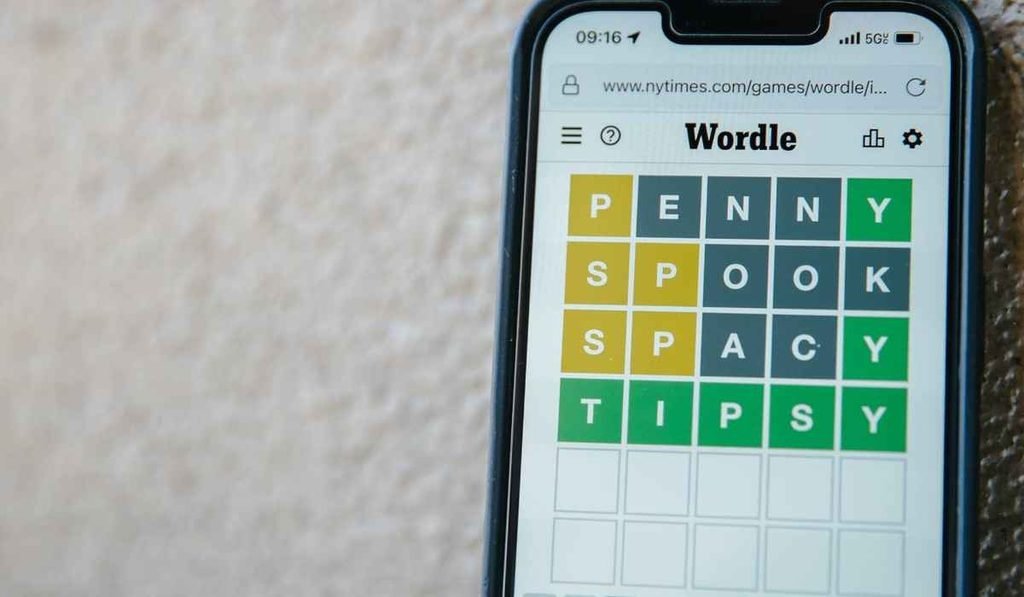
Every seasoned player has a favorite opening guess, and debating the mathematical superiority of these choices fuels endless online debate. In-depth wordle commentary frequently evaluates how popular starter words perform against specific daily answers, illustrating the practical impact of vowel-heavy versus consonant-rich openers. Analysts track how clearing common letters like E, A, R, S, and T early on narrows down the solution pool dramatically. By comparing different opening strategies on the exact same puzzle, commentators demonstrate that no single starting word guarantees success every time. Instead, adaptability after the first row proves far more valuable than rigid adherence to algorithmic favorites.
The Role of Social Media in Puzzle Culture
Short-form video platforms and microblogging sites accelerated the growth of puzzle-related content by rewarding quick, punchy reactions. Bite-sized wordle commentary thrives on platforms like TikTok, YouTube Shorts, and X, where creators record live reactions while working through each row under time pressure. Viewers love watching someone sweat over their sixth and final guess, cheering when a bold hunch turns all five tiles green. These real-time broadcasts encourage audience participation in the comments, where followers share their own guess sequences and debate alternative paths. Social media effectively transformed an individual browser game into an interactive spectator sport enjoyed by millions daily.
Common Traps and Tricky Letter Patterns
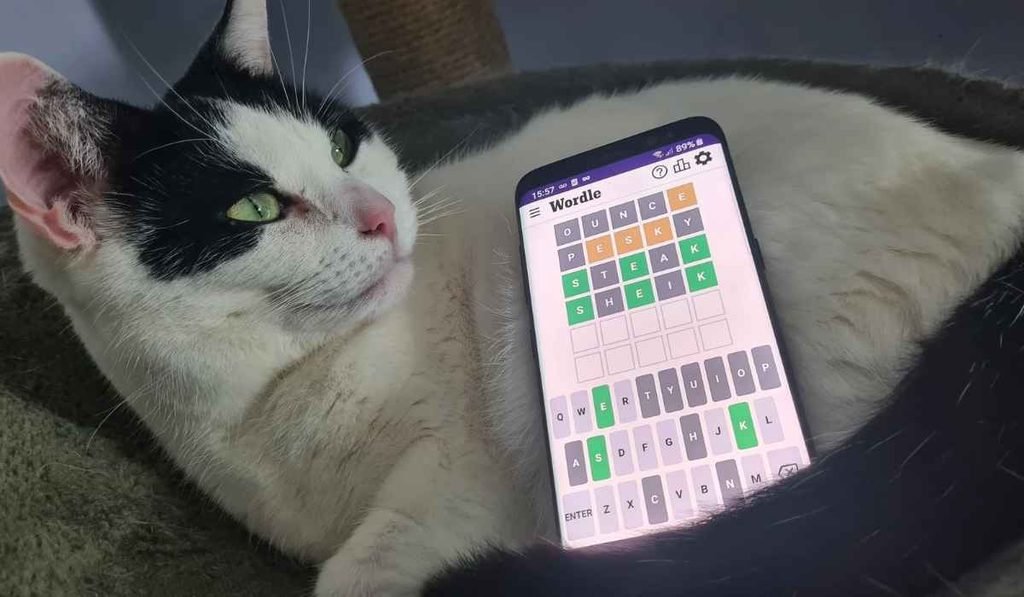
Certain structural quirks in the English language consistently trip up players, making them prime subjects for post-game postmortems. Detailed wordle commentary often spotlights notorious pitfalls like double letters, silent consonants, and rhyme-heavy word families where four letters stay locked while multiple endings remain valid. Words ending in “-ATCH,” “-IGHT,” or “-OUND” frequently spark lively discussions because they force players into tense guessing games on hard mode. By pointing out these recurring structural traps, commentators help readers recognize danger zones earlier in their grid. Learning to spot potential rhyme traps allows smarter players to use elimination guesses strategically before running out of turns.
Hard Mode Strategies and Tactical Insights
Switching to hard mode adds an exciting layer of constraint by requiring players to reuse all revealed hints in subsequent guesses. Specialized wordle commentary tailored for hard-mode enthusiasts emphasizes risk management over pure information gathering. Without the freedom to throw away a turn testing five brand-new consonants, players must carefully evaluate how many rhyming possibilities exist before committing to a pattern. Analysts frequently walk through high-stakes hard-mode scenarios, showing how choosing a slightly less common word early can prevent a fatal bottleneck on row five. These tactical lessons empower dedicated fans to protect long winning streaks under stricter competitive rules.
Linguistic Trivia and Etymology Behind Answers
Beyond pure gameplay mechanics, daily word puzzles offer a wonderful gateway into the fascinating history of the English language. Enriching wordle commentary often explores the etymology, shifting definitions, and cultural origins of the day’s featured solution. Discovering that an everyday five-letter noun traces its roots back to Old Norse, French, or nautical slang adds unexpected depth to a two-minute morning routine. Readers appreciate learning subtle distinctions between American and British spellings or uncovering quirky historical trivia tied to obscure terms. Blending wordplay strategy with accessible linguistics transforms routine puzzle recaps into genuinely educational reads that expand vocabulary effortlessly.
How Content Creators Structure Daily Recaps
Consistency and spoiler protection are essential when publishing daily puzzle guides for an international audience across different time zones. Professional wordle commentary follows a clean, predictable structure that allows readers to browse safely without accidentally ruining their own attempt. Most articles start with general difficulty impressions, move into spoiler-free clues regarding vowel counts or parts of speech, and place the final answer clearly separated at the bottom. Following the reveal, creators provide a row-by-row walkthrough explaining the optimal deduction path. This thoughtful formatting respects the player’s experience while delivering maximum value whether someone needs a gentle nudge or a full breakdown.
Statistical Tools and Bots in Puzzle Analysis
Data-driven tools have introduced an objective layer of performance tracking to what began as an intuitive word game. Modern wordle commentary regularly references algorithmic bots that grade human guesses based on information theory, skill scores, and luck metrics. Players love comparing their personal intuition against computer-optimized pathways to see whether a three-guess solve was genuine brilliance or pure fortune. Commentators use these statistical benchmarks to explain why an seemingly weird second guess actually eliminated ninety percent of remaining words. Integrating bot analytics bridges the gap between casual intuition and mathematical optimization, giving analytical minds deeper insight into optimal decision-making.
Psychological Appeal of Shared Daily Rituals
In an era of endless on-demand streaming and personalized algorithms, everyone experiencing the exact same puzzle simultaneously feels refreshingly unifying. Thoughtful wordle commentary taps into this shared cultural moment, reinforcing the comforting rhythm of a predictable daily habit. Knowing that friends, coworkers, and family members are wrestling with the identical five-letter mystery creates an effortless icebreaker for morning conversations. Analysts frequently reflect on how small, low-stakes mental victories provide a welcome sense of accomplishment before a busy workday begins. This psychological grounding explains why daily puzzle discussions continue thriving long after the initial viral hype settled into steady routine.
Building Community Through Friendly Competition
Leaderboards, group chats, and comment sections turn solitary word solving into a lighthearted test of wits among peers. Engaging wordle commentary fosters welcoming spaces where beginners and word nerds alike can celebrate rare two-guess eagles or laugh off heartbreaking streak losses. Many online communities host weekly challenges, themed starting-word weeks, or friendly tournaments inspired by daily editorial breakdowns. Rather than promoting toxic gatekeeping, the best puzzle spaces encourage curiosity, patience, and mutual encouragement. When commentators highlight clever viewer submissions and creative deduction paths, they strengthen community bonds and keep audiences returning day after day.
Evolution of Puzzle Journalism in Digital Media
Major news organizations quickly recognized that daily games drive tremendous reader loyalty, subscription retention, and consistent web traffic. Consequently, wordle commentary evolved from informal hobbyist tweets into a respected niche within modern digital lifestyle journalism. Dedicated puzzle editors now write daily columns analyzing difficulty spikes, reader sentiment, and notable vocabulary trends across months of archived games. This editorial investment validates casual gaming as a legitimate cultural beat worthy of thoughtful criticism and engaging prose. As newspapers expand their digital game suites, daily puzzle analysis remains a cornerstone strategy for keeping readers actively engaged with news platforms.
Video Walkthroughs Versus Written Guides
Different audiences prefer consuming post-game analysis in formats that match their daily schedules and learning styles. While written wordle commentary excels at quick scannability, spoiler-free hints, and detailed etymological notes, video walkthroughs capture genuine emotional suspense in real time. Watching a creator think aloud, weigh competing letter combinations, and react visibly to unexpected yellow tiles creates an intimate, relatable viewing experience. Conversely, text articles allow readers to jump directly to specific clues or study probability tables at their own pace. Both formats complement each other seamlessly, ensuring every type of puzzle fan finds content tailored to their preferences.
Avoiding Spoilers While Delivering Value
Nothing frustrates a puzzle enthusiast faster than accidentally glimpsing the daily solution before completing their own grid. Responsible wordle commentary treats spoiler etiquette as a sacred rule, using clear visual warnings, collapsible sections, and careful phrasing in headlines and social previews. Writers craft intriguing teasers that capture the flavor of the day’s challenge—such as noting an unusual double consonant or tricky vowel placement—without giving away crucial letters. Maintaining this delicate balance builds deep trust between creators and their audience. Readers know they can safely click for a subtle hint when stuck on row four without sacrificing the thrill of solving it themselves.
Educational Benefits for Vocabulary and Spelling
Teachers, parents, and language learners have embraced daily word puzzles as enjoyable tools for building stronger literacy skills. Accessible wordle commentary reinforces spelling rules, phonetic awareness, and deductive reasoning in ways that feel like play rather than classroom drills. When students read explanations of why certain letter pairings are common or rare in English, they internalize structural patterns naturally. Discussing unfamiliar solutions helps expand active vocabulary while encouraging curiosity about word roots and multiple meanings. By breaking down logical elimination step by step, puzzle commentators unintentionally serve as engaging vocabulary tutors for learners of all ages.
Monetizing Puzzle Content Ethically
As audience demand for daily guides grew, creators discovered sustainable ways to turn their linguistic passion into reliable revenue streams. Successful wordle commentary channels and blogs generate income through display advertising, newsletter sponsorships, affiliate links to word games, and supportive reader memberships. However, experienced publishers understand that aggressive pop-ups or clickbait headlines quickly alienate discerning puzzle fans who value clean, distraction-free reading. The most respected creators prioritize fast-loading pages, honest hints, and genuine editorial personality over short-term ad clicks. By respecting reader time and intelligence, puzzle analysts build loyal audiences willing to support their work long term.
Influence on Spin-Off Games and Variants
The massive popularity of five-letter guessing inspired dozens of creative variants focused on geography, music, mathematics, and multi-grid challenges. Naturally, wordle commentary expanded alongside these spin-offs, with analysts adapting their strategic frameworks to cover four-board marathons, historical timelines, and audio-based guessing games. Comparing how deduction tactics shift when managing eight simultaneous grids versus a single board provides fresh material for puzzle writers. These spin-off discussions keep the broader genre dynamic and inventive, introducing audiences to new brainteasers while celebrating the elegant simplicity of the original five-letter format that started the entire movement.
Future Trends in Online Word Gaming
As artificial intelligence, interactive live streams, and mobile gaming continue evolving, daily word puzzles are poised for exciting innovations. Forward-looking wordle commentary increasingly explores multiplayer race modes, custom community-created puzzles, and personalized analytics that track long-term solving habits. Creators are experimenting with interactive polls, live audience-assisted solves, and deeper linguistic visualizations to make post-game breakdowns even more immersive. Despite technological upgrades, the core appeal will always remain rooted in human curiosity and the timeless joy of playing with language. As long as people love cracking clever codes, thoughtful analysis will remain central to puzzle culture.
Why Daily Word Discussions Endure
Fads on the internet typically burn bright for a few weeks before vanishing, yet daily five-letter puzzles have achieved remarkable staying power. Enduring wordle commentary plays a vital role in sustaining that longevity by continually refreshing the conversation around a simple, unchanging rule set. Each new twenty-four-hour cycle brings a fresh linguistic mini-story, complete with unexpected traps, triumphant two-guess solves, and lively community debates. By transforming a quiet five-minute solitaire exercise into a rich, shared cultural experience, commentators ensure that every morning grid feels meaningful, connected, and endlessly worth talking about.
Frequently Asked Questions
- What is the main purpose of daily puzzle breakdowns?
- They help players understand tricky letter patterns, learn smarter elimination strategies, and enjoy shared community discussions after completing their daily grid.
- How do creators avoid spoiling the daily answer for readers?
- Writers use clear spoiler warnings, start with general difficulty impressions, offer gradual hints first, and place the final solution at the bottom of the page.
- Do mathematical starter words guarantee winning every puzzle?
- No, strong starter words maximize early letter elimination, but adaptable thinking after the first guess matters far more for protecting long winning streaks.
- Why do hard-mode players rely heavily on strategic analysis?
- Hard mode forces players to reuse revealed clues, making tactical planning essential to avoid getting trapped in rhyming word families with too few guesses left.
- Where can fans find active communities discussing daily word games?
- Players actively share grids, video walkthroughs, and linguistic trivia across YouTube, TikTok, X, Reddit threads, and dedicated newspaper game columns.