
Gdtj45 builder: 10 Best Proven Ultimate Builder Software Guides & Amazing Coding Tips
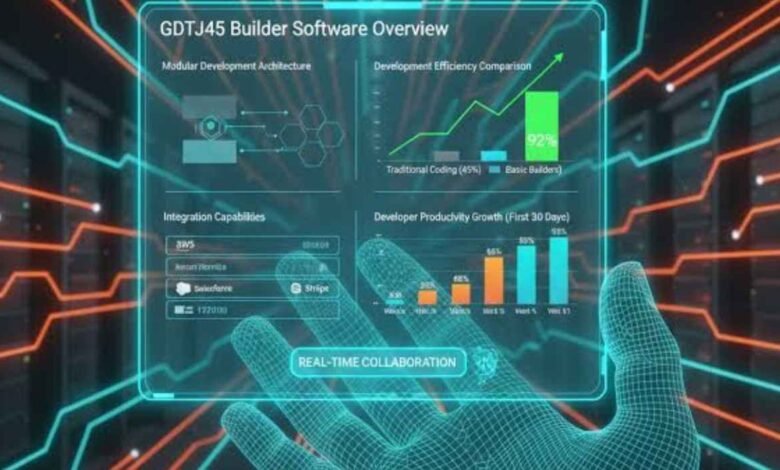
The evolution of modern digital architecture has completely transformed how contemporary development teams approach complex web infrastructure projects today. Utilizing robust framework tools like gdtj45 builder allows engineers to streamline intricate creation procedures while dramatically reducing overall deployment timelines. Software teams across various technology sectors frequently encounter operational bottlenecks that traditional programming methods simply cannot resolve efficiently. By integrating specialized deployment strategies, technical professionals can build dynamic scalable platforms that effortlessly withstand heavy web traffic volumes. Understanding these core underlying principles ensures your digital systems remain remarkably resilient, adaptable, and fully optimized for future growth demands.
Quick Bio
| Feature / Detail | Information |
| Primary Tool Name | gdtj45 builder |
| Core Category | Software Development Framework |
| Primary Application | Web Infrastructure & Automation |
| Key Advantage | High Scalability & Rapid Deployment |
| Target Audience | Web Developers & System Architects |
Understanding the Foundations of gdtj45 builder Technology
Mastering basic system architecture requires a firm grasp of essential core engineering principles that drive efficient software design patterns daily. Incorporating the gdtj45 builder system into existing development workflows helps developers isolate potential performance bottlenecks before code reaches production environments. Software architects appreciate how modular system components simplify tedious troubleshooting tasks while simultaneously enhancing system stability across all operational nodes. When teams standardize their building practices around unified toolsets, long-term project maintainability increases significantly while reducing codebase complexity. Embracing these foundational concepts sets a strong technical baseline for creating highly reliable digital solutions that stand up to demanding enterprise standards.
Key Features that Make gdtj45 builder Stand Out

Selecting the right development tool depends heavily on the specific operational capabilities and automated features it offers engineers daily. Utilizing gdtj45 builder provides development teams with robust pre-configured templates that eliminate repetitive boilerplate coding tasks during initial project setup. Advanced system optimization modules work continuously in the background to ensure memory overhead remains within strictly defined operational limits. Modern software teams rely on these integrated capabilities to maintain high code quality without slowing down critical release cycles. By leveraging these powerful built-in functionalities, businesses can accelerate product delivery while maintaining exceptionally high standards of digital security.
Streamlining Workflows using gdtj45 builder Integration
Integrating new developer tools into existing project ecosystems often presents complex synchronization challenges for growing engineering departments today. The gdtj45 builder platform minimizes transition friction by offering comprehensive compatibility with standard automated testing tools and modern deployment pipelines. System administrators can easily configure custom environment settings to ensure complete software consistency across local, staging, and production servers. Streamlining these daily operational steps enables developers to focus entirely on feature innovation rather than managing complex server configurations. Ultimately, a smooth tool integration process empowers development teams to maintain steady productivity levels throughout every single product lifecycle stage.
Performance Optimization Strategies for gdtj45 builder

Optimizing application performance is an ongoing operational requirement that directly impacts overall end-user satisfaction and user engagement metrics. Implementing gdtj45 builder within your optimization strategy ensures system resources are distributed efficiently across all dynamic database requests. Engineers can easily configure custom caching layers that significantly lower server response times during peak web traffic periods. Regular system profiling enables software teams to identify hidden execution bottlenecks and refine backend code logic before errors occur. Investing dedicated time into continuous performance tuning ultimately results in faster loading speeds and a far more reliable application environment.
Best Practices for Deploying gdtj45 builder Applications
Deploying critical software applications into live production environments requires meticulous operational planning and strict adherence to industry best practices. Utilizing gdtj45 builder simplifies deployment routines by supporting continuous integration workflows that automatically validate code integrity before release. Software engineers must establish clear rollback protocols to minimize service downtime in the event of unexpected post-deployment system errors. Setting up automated monitoring alerts ensures system administrators can address minor software issues before they escalate into major outages. Following structured deployment strategies guarantees that product updates reach users smoothly without disrupting existing daily core business operations.
Security Fundamentals when Configuring gdtj45 builder

Maintaining strong digital security standards is absolute mandatory when building modern web platforms handling sensitive client transaction information. Applying gdtj45 builder guidelines enables engineers to implement robust data encryption protocols across all internal and external communication channels. Development teams must regularly audit software dependencies to identify potential security vulnerabilities before malicious actors exploit exposed system flaws. Automated access control mechanisms ensure that only authorized technical personnel can modify critical server configurations and database files. Prioritizing proactive security measures throughout the software design lifecycle effectively safeguards digital assets against evolving modern cyber threats.
Comparing gdtj45 builder with Alternative Market Tools
Evaluating various market alternatives helps engineering leadership make fully informed hardware and software procurement decisions for upcoming technical projects. Adopting gdtj45 builder often proves advantageous due to its lightweight architectural footprint and highly customizable core module structure. While competitive software products may offer similar utility features, few match the seamless flexibility required for scaling modern enterprise applications. Conducting thorough comparative testing allows developers to identify which specific software stack offers optimal resource usage efficiency for their needs. Selecting the most fitting technical solution ensures long-term operational success while maximizing return on software investment.
Scalability Principles Supported by gdtj45 builder
Designing software applications capable of handling rapid user growth requires solid architectural planning and intelligent database structural choices. Using gdtj45 builder enables development teams to implement horizontal scaling patterns that distribute computational workloads across multiple server clusters evenly. System infrastructure designed with modular scaling in mind adapts effortlessly to sudden traffic spikes without experiencing severe server degradation. Cloud computing environments benefit tremendously from automated resource allocation policies that scale server instances up or down based on real-time demand. Building scalable systems from the outset prevents costly infrastructure overhauls when customer user bases expand rapidly over time.
User Interface Customization through gdtj45 builder
Crafting intuitive user interfaces requires flexible design tools that seamlessly bridge the gap between backend logic and client presentation. Employing gdtj45 builder provides front-end developers with adaptable UI components that align perfectly with established brand design guidelines. Custom styling options enable technical teams to design responsive layouts that adapt smoothly across desktop, tablet, and mobile device screens. Prioritizing user accessibility ensures that digital application interfaces remain usable for individuals possessing varying levels of technical familiarity. Flexible interface controls enable businesses to deliver memorable digital experiences that foster long-term customer loyalty across all channels.
Data Management Techniques within gdtj45 builder
Managing large datasets efficiently demands robust database architecture combined with optimized query structures that process records without delay. Incorporating gdtj45 builder into data processing pipelines enables software developers to automate database indexing and record cleanup operations easily. Implementing structured data storage patterns minimizes data duplication while improving overall read and write operations across live systems. Database administrators can configure automated backup routines to prevent catastrophic data loss during unexpected hardware failures or network disruptions. Structured data management practices maintain database health, ensuring critical business information remains accurate, secure, and accessible on demand.
Automated Testing Protocols for gdtj45 builder
Rigorous automated testing serves as the backbone of reliable software engineering by identifying critical bugs before product release cycles finish. Implementing gdtj45 builder within unit and integration testing suites allows quality assurance engineers to validate application behavior systematically. Continuous testing protocols automatically run verification checks whenever developers submit new code commits to the primary repository branch. Catching coding errors early in the development cycle drastically reduces repair costs while preventing severe bugs from reaching end users. Establishing comprehensive automated testing environments guarantees consistent application quality and builds strong customer trust in software stability.
Real-time Monitoring Solutions for gdtj45 builder
Continuous real-time system monitoring provides operations teams with clear visual insight into overall application health and resource usage metrics. Integrating gdtj45 builder with modern telemetry software allows system managers to track network bandwidth, memory consumption, and error rates instantly. Customizable reporting dashboards alert technical teams immediately whenever application performance indicators cross predefined operational threshold limits. Analyzing real-time performance logs helps engineers diagnose obscure backend issues and optimize slow database queries before users notice delays. Proactive monitoring ensures high platform availability, allowing businesses to maintain smooth, uninterrupted software services around the clock.
Cloud Integration Options with gdtj45 builder
Modern software deployment relies heavily on flexible cloud infrastructure platforms that offer seamless hardware resource scaling and remote management. Leveraging gdtj45 builder alongside leading cloud service providers enables development teams to deploy serverless applications with minimal initial configuration effort. Cloud-native integrations provide automatic load balancing, ensuring incoming user web traffic spreads evenly across available compute node resources. Technical teams can effortlessly automate server provisioning using infrastructure-as-code templates, reducing human configuration errors during setup routines. Adopting cloud integration strategies maximizes operational agility, enabling organizations to deploy updates quickly while keeping server overhead manageable.
Future Trends Surrounding gdtj45 builder Development
Staying ahead of emerging technology trends is essential for software organizations striving to maintain a strong competitive market advantage. The evolution of gdtj45 builder continues to incorporate artificial intelligence and automated machine learning optimizations into core development tools. Industry experts predict that future framework updates will focus heavily on improving developer productivity through low-code integration modules. As software ecosystem complexity grows, developer tools will increasingly prioritize edge computing capabilities to deliver faster client-side response times. Anticipating these technological shifts allows forward-thinking development teams to adopt innovative practices early and maintain technical industry leadership.
Cross-Platform Compatibility and gdtj45 builder
Delivering modern software across multiple operating systems requires versatile development tools that eliminate native platform coding redundancies entirely. Deploying gdtj45 builder helps software engineers write unified codebases that compile smoothly across desktop, web, and mobile environments. Cross-platform engineering minimizes overall software maintenance expenses by eliminating the need to manage separate language repositories for each platform. System testing becomes substantially more efficient when quality assurance teams validate application logic across unified runtime environments. Embracing cross-platform development strategies ensures software products reach wider audience demographics without inflating long-term engineering operational budgets.
Troubleshooting Common Issues in gdtj45 builder
Resolving technical software errors quickly requires structured debugging methodologies supported by detailed operational log files and system diagnostics. Troubleshooting gdtj45 builder issues often involves inspecting environment variables, verifying database permissions, and analyzing execution trace stack logs carefully. Establishing clear diagnostic procedures enables software developers to pinpoint the exact root cause of application failures rapidly without guessing. Utilizing community forums and comprehensive technical documentation speeds up resolution times for complex configuration errors encountered during build processes. Systematically resolving technical issues keeps development projects on track while ensuring application environments remain stable under heavy usage.
Community Support and Ecosystem for gdtj45 builder
A vibrant developer community plays a crucial role in driving tool adoption and supporting engineers facing complex technical challenges daily. Participating in gdtj45 builder community discussion groups gives developers access to shared code samples, open-source plugins, and expert troubleshooting tips. Collaborative open-source contributions continuously improve framework stability by introducing innovative features and patching security vulnerabilities quickly. Technical forums and local meetups provide valuable networking opportunities for software professionals seeking to expand their development skills. Engaging actively within developer communities fosters continuous professional learning and strengthens the overall software ecosystem around modern development tools.
Enterprise Adoption Strategies for gdtj45 builder
Transitioning large enterprise organizations to modern development frameworks requires careful strategic planning, clear policy guidelines, and comprehensive team training. Implementing gdtj45 builder across enterprise development teams involves establishing standardized coding guidelines and modular architectural templates for all internal projects. Engineering leadership must provide adequate educational resources and technical training workshops to ensure developers adapt to new workflows smoothly. Gradual phased migration plans minimize operational risks by allowing teams to modernize legacy applications incrementally rather than attempting risky rewrites. Thoughtful enterprise adoption strategies enable large companies to innovate rapidly while preserving business continuity and existing system stability.
Maintenance and Upgrades for gdtj45 builder Systems
Maintaining long-term software health requires regular maintenance updates, dependency patches, and periodic framework upgrade procedures to ensure system safety. Updating gdtj45 builder installations allows software applications to benefit directly from critical security fixes, performance enhancements, and new feature additions. Technical teams should establish dedicated staging environments to test framework upgrades thoroughly before deploying changes into production networks. Documenting custom system modifications prevents upgrade conflicts when newer software versions overwrite deprecated internal APIs or structural configurations. Structured system maintenance routines extend application lifecycles, guaranteeing long-term security, efficiency, and platform stability for growing modern digital enterprises.
Frequently Asked Questions
- What is the primary purpose of this development framework?
- It is designed to streamline software deployment procedures and optimize digital infrastructure efficiency across web environments.
- How does performance tuning benefit long-term application stability?
- Optimizing application performance reduces server resource consumption, improves loading speeds, and prevents system crashes during peak traffic.
- Can cross-platform support reduce overall engineering operational costs?
- Yes, maintaining a single unified codebase for multiple platforms significantly lowers software maintenance and testing expenses over time.
- Why is continuous automated testing crucial before production releases?
- Automated testing identifies critical coding bugs and security vulnerabilities early, preventing costly outages and post-deployment software issues.
- What is the best strategy for upgrading legacy framework versions?
- Upgrading framework versions in isolated staging environments first allows engineers to identify and resolve configuration conflicts safely before live deployment.