
Strands hints tom’s guide: 10 Best Proven Ultimate Strands Hints & Amazing Puzzle Guide

Solving daily word puzzles requires sharp observation, patience, and a strategic approach to spotting hidden letter patterns across a chaotic grid. Many avid players turn to strands hints tom’s guide whenever a particularly tricky theme leaves them staring blankly at their screens without a single word found. These helpful resources offer gentle nudges rather than immediate spoilers, preserving the authentic thrill of discovery while preventing frustrating dead ends. Whether you are a casual morning solver or a dedicated streak protector, understanding how to leverage structured clues transforms difficult boards into deeply satisfying mental victories every single day.
Quick Bio
| Attribute | Details |
| Primary Topic | Strands Hints Tom’s Guide |
| Puzzle Publisher | The New York Times Games |
| Grid Dimensions | 6 columns by 8 rows (48 total letters) |
| Core Objective | Find all theme words and the central Spangram |
| Hint Mechanism | Find three non-theme words of four or more letters |
| Guide Purpose | Progressive clues, theme nudges, and full solutions |
| Target Audience | Daily word game enthusiasts and streak builders |
Understanding the Core Mechanics of Modern Daily Grid Puzzles
Modern digital word games have evolved far beyond traditional crosswords by introducing spatial pattern recognition and thematic deduction. Players are presented with a compact forty-eight-letter board where every single letter must eventually be utilized without overlapping paths. Utilizing strands hints tom’s guide helps newcomers grasp how words can twist vertically, horizontally, and diagonally in unexpected directions. Unlike classic word searches where words run in straight lines, these dynamic grids demand flexible thinking and constant reevaluation of neighboring tiles. Mastering this foundational mechanic allows solvers to visualize potential letter clusters before committing to a specific swipe across the screen.
Why Players Seek Gentle Clues Instead of Immediate Answers

The true joy of any brainteaser lies in the sudden spark of realization when a cryptic theme finally clicks into place. Jumping straight to a completed answer key robs players of that rewarding dopamine rush and diminishes the daily mental exercise. Consulting strands hints tom’s guide bridges the gap between total confusion and outright spoiling by offering tiered levels of assistance. A subtle thematic nudge often provides just enough context to unlock the entire board independently. Preserving personal agency while eliminating unnecessary frustration ensures that daily puzzle solving remains an enjoyable, relaxing ritual rather than a stressful chore.
Decoding Cryptic Daily Themes Through Lateral Thinking
Every puzzle revolves around a short, often playful prompt that hints at the underlying connection binding all target words together. These prompts frequently rely on idioms, double meanings, cultural references, or clever wordplay rather than literal definitions. Reading strands hints tom’s guide trains your brain to recognize these linguistic tricks and approach each morning prompt with healthy skepticism. When a theme seems impossibly vague, breaking down its individual words into synonyms or metaphorical associations usually reveals the hidden category. Developing strong lateral thinking habits turns seemingly impossible boards into predictable patterns that you can systematically dismantle with confidence.
Mastering the Art of Finding the Elusive Spangram
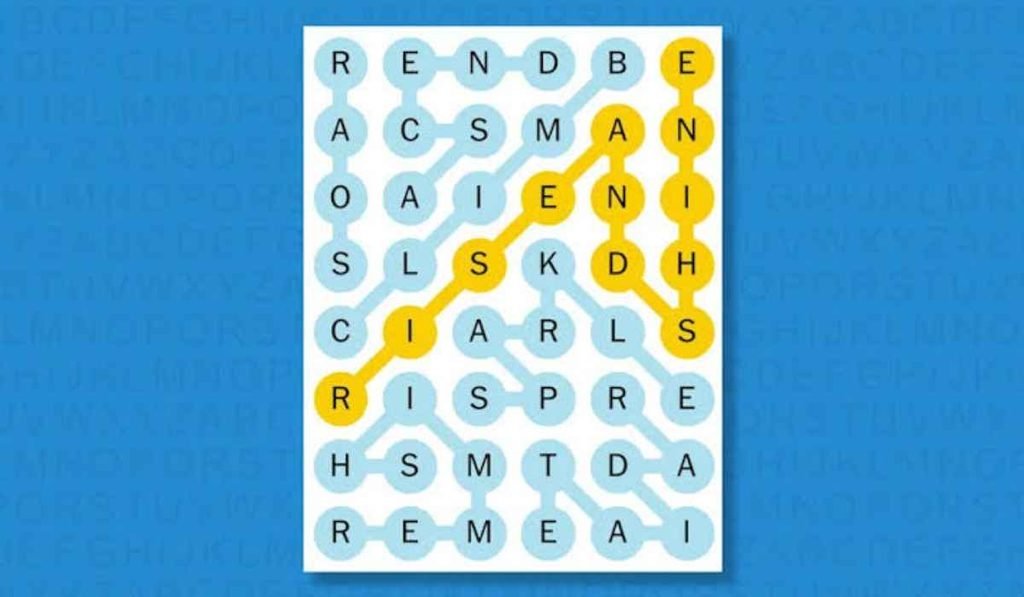
The Spangram serves as the structural backbone of every board, stretching cleanly from one side of the grid to the opposite edge. Identifying this special yellow-highlighted word early makes solving the remaining blue theme words dramatically easier because it divides the board into smaller, manageable sections. Checking strands hints tom’s guide often highlights the directional flow or starting letter of this crucial anchor phrase. Because the Spangram directly summarizes the puzzle theme, uncovering it confirms your interpretation of the daily clue. Focusing your initial energy on scanning opposite borders for long connecting pathways consistently yields faster completion times.
Earning In-Game Clues Without Losing Your Momentum
The built-in hint system rewards players for spotting valid four-letter words that do not belong to the daily theme. Finding three such bonus words fills up the hint meter, allowing you to highlight the letters of an undiscovered theme word. Pairing this native feature with strands hints tom’s guide creates an unbeatable strategy for conquering exceptionally tough weekend grids. Instead of wasting mental energy randomly guessing obscure combinations, you can methodically harvest simple plural nouns or past-tense verbs to charge your meter. Strategic clue harvesting keeps your momentum alive while systematically clearing confusion from crowded sections of the board.
Recognizing Common Letter Clusters and Prefix Patterns

Experienced word game enthusiasts rarely scan a grid letter by letter; instead, they look for familiar structural building blocks. Common prefixes, suffixes, and consonant blends like ing, tion, str, or ch immediately stand out when you train your eyes to spot them. Reviewing strands hints tom’s guide demonstrates how puzzle creators frequently hide long theme words behind intimidating clusters of vowels or rare consonants. Isolating high-value letters such as Q, Z, X, and J instantly narrows down possible word formations in their immediate vicinity. Training your visual processing to group common syllables drastically reduces solving times and prevents costly dead-end paths.
Avoiding the Trap of Prematurely Locking In Words
One of the most frequent mistakes beginners make is aggressively tracing the first recognizable word they spot on the board. Because every single letter on the grid belongs to exactly one solution word, claiming the wrong variation can strand neighboring letters in unsolvable pockets. Following strands hints tom’s guide reminds solvers to check whether a discovered word could be pluralized or extended into a longer thematic entry. Taking a brief pause to examine adjacent tiles before finalizing a swipe prevents accidental overlaps. Thoughtful board management ensures that remaining isolated letters always retain viable pathways for future connections.
Building a Consistent Morning Routine Around Brain Teasers
Incorporating a structured word puzzle into your morning coffee routine wakes up cognitive pathways and establishes a calm, focused mindset for the day ahead. Many dedicated players bookmark strands hints tom’s guide right alongside their favorite puzzle portals so help is always within easy reach if needed. Treating the daily grid as a low-pressure mental warm-up rather than a timed race encourages deeper observation and creative problem solving. Over weeks and months, this consistent cognitive exercise sharpens vocabulary recall, enhances spatial reasoning, and provides a reliable sense of daily accomplishment before work emails even begin.
Analyzing How Grid Geometry Influences Word Placement
A six-by-eight rectangular matrix imposes strict mathematical constraints on how long words can bend and fold around one another. Corner tiles possess only three adjacent neighbors, making them vital anchor points where theme words frequently begin or terminate. Studying strands hints tom’s guide reveals how creators tuck shorter four-letter or five-letter entries neatly into corners while letting longer words snake through the center. Whenever you feel stuck, inspecting the four corners of the board often exposes forced letter combinations that have nowhere else to go. Understanding basic grid geometry transforms random letter hunting into logical deduction.
Leveraging Editorial Breakdowns to Improve Future Performance
Reading post-game explanations after finishing a difficult board is one of the fastest ways to elevate your overall puzzle intuition. Detailed walkthroughs explain not only what the answers were, but why specific words fit the clever wordplay of the prompt. Exploring strands hints tom’s guide exposes you to recurring editorial patterns, favorite vocabulary categories, and subtle design philosophies used by puzzle editors. Recognizing that a creator favors pop culture references, culinary terms, or geographic landmarks gives you a massive advantage in future games. Continuous learning turns occasional lucky guesses into repeatable, reliable solving expertise.
Managing Frustration When Staring at a Stubborn Grid
Every seasoned solver eventually encounters a board where the theme remains completely opaque and zero words jump off the screen. Stepping away from your device for ten minutes allows your subconscious mind to reset and break free from visual fixation. Returning with fresh eyes and consulting strands hints tom’s guide immediately dissolves mental blocks without ruining your enjoyment of the game. Fresh visual perspective often makes previously invisible letter connections suddenly appear obvious within seconds. Accepting that occasional roadblocks are a natural part of challenging word games keeps your experience positive and stress-free.
Comparing Different Levels of Spoiler-Free Assistance
Not all puzzle guides treat spoilers equally, and choosing a resource that respects your desire to solve independently makes a huge difference. Some websites immediately plaster full answer lists at the top of the page, ruining the surprise before you even scroll down. By contrast, strands hints tom’s guide organizes information progressively, starting with general theme explanations, moving to Spangram nudges, and hiding final answers far below. This thoughtful structure empowers you to take only the exact amount of help required to get unstuck. Controlled disclosure protects the integrity of your daily puzzle experience.
Developing Vocabulary Depth Through Thematic Exposure
Daily word grids routinely introduce players to specialized terminology ranging from botanical species and architectural styles to obscure musical instruments. Encountering unfamiliar terms within a constrained letter matrix forces you to deduce spelling patterns using logical elimination. Utilizing strands hints tom’s guide when facing specialized jargon turns a potential roadblock into an engaging vocabulary lesson. Once you uncover a new word and see how it connects to the broader theme, that term sticks firmly in your long-term memory. Over time, regular puzzle solvers naturally expand their active lexicon while having fun.
Balancing Speed Solving Against Carefree Exploration
While some competitive players enjoy timing themselves to see how quickly they can clear a board, others prefer savoring the puzzle at a leisurely pace. Rushing through swipes often leads to sloppy misreads and missed thematic nuances that make the puzzle clever. Checking strands hints tom’s guide supports both playstyles by offering quick directional clarity for speed runners and rich thematic context for casual explorers. Whether you aim to finish in under two minutes or enjoy pondering clues over breakfast, aligning your pace with your personal mood maximizes daily enjoyment.
Sharing Strategies and Comparing Results with Friends
Word games thrive on social connection, sparking friendly rivalries and lively group chat discussions every morning. Comparing how many hints each person needed or how quickly someone spotted the Spangram adds a wonderful communal layer to a solo activity. Referencing strands hints tom’s guide during group debates helps settle disagreements over tricky wordplay or obscure theme interpretations. Sharing your unique solving path—without spoiling the board for friends who have not played yet—fosters camaraderie and keeps everyone motivated to maintain their daily streaks together.
Adapting Your Strategy for Weekend Difficulty Spikes
Just like traditional newspaper crosswords, grid-based word puzzles frequently ramp up their complexity toward the end of the week. Saturday and Sunday boards often feature abstract themes, longer multi-word Spangrams, and deceptive letter placements designed to test veteran solvers. Keeping strands hints tom’s guide handy during weekend sessions ensures that increased difficulty never derails your hard-earned winning streak. Approaching tougher grids with extra patience, systematically clearing corners first, and utilizing earned in-game hints prepares you to conquer even the most devious weekend layouts.
Utilizing Edge Scanning Techniques to Isolate Words
When the center of the board feels overwhelmingly dense, shifting your visual focus strictly to the outer perimeter often yields immediate breakthroughs. Letters along the top, bottom, left, and right borders have limited connection options, severely restricting how words can form along the edges. Consulting strands hints tom’s guide alongside disciplined edge scanning helps you peel away outer theme words like layers of an onion. As each perimeter word turns blue, the remaining central letters become isolated and vastly easier to decipher. Systematic border clearance brings immediate order to chaotic boards.
Recognizing Deceptive Red Herrings Placed by Creators
Clever puzzle designers intentionally arrange non-theme words inside the grid to distract solvers and waste their valuable time. You might spot a gleaming seven-letter word right in the middle of the board only to discover it has nothing to do with the daily prompt. Reading strands hints tom’s guide alerts you to these sneaky decoys and keeps your focus locked onto genuine thematic matches. Whenever a seemingly obvious word fails to highlight in blue, immediately harvest it toward your hint meter and pivot your attention to unexplored letter clusters nearby.
Sustaining Long-Term Motivation and Celebrating Milestones
Maintaining an unbroken solving streak across weeks and months requires genuine dedication, adaptability, and smart resource management. Celebrating personal milestones—such as completing thirty consecutive boards without full spoilers—reinforces positive cognitive habits and builds lasting confidence. Relying occasionally on strands hints tom’s guide is not a sign of defeat, but rather a smart tool for sustaining momentum during busy or exhausting days. Viewing hints as helpful training wheels allows you to enjoy continuous progress without ever feeling discouraged by an unusually cryptic daily puzzle.
Embracing the Future of Interactive Digital Word Games
As digital puzzle platforms continue innovating with fresh mechanics, daily word challenges remain one of the most accessible and rewarding forms of entertainment available. Resources like strands hints tom’s guide play an essential role in welcoming newcomers while supporting veteran enthusiasts through increasingly creative puzzle designs. By combining sharp visual scanning, logical deduction, and well-timed editorial nudges, anyone can master the art of grid-based wordplay. Keep practicing your pattern recognition, trust your intuition, and enjoy the daily satisfaction of watching every last letter illuminate across your screen.
FAQs
- What makes Strands different from standard word search puzzles?
- Unlike traditional word searches where words run in straight lines, Strands words can twist in any direction and every single letter on the board is used once.
- How do you unlock an official hint inside the game?
- You can unlock an in-game hint by finding and submitting any three valid non-theme words that contain at least four letters each.
- What is the Spangram and why is it important?
- The Spangram is a special yellow-highlighted word or phrase that spans across two opposite sides of the board and summarizes the daily puzzle theme.
- Why should players use progressive guides instead of answer keys?
- Progressive guides provide gentle thematic nudges that help you overcome mental blocks while still preserving the satisfaction of solving the puzzle yourself.
- Can theme words ever overlap or share letters on the grid?
- No, every tile on the forty-eight-letter board belongs exclusively to a single theme word or the central Spangram without any overlapping paths.