
Infodogs: 10 Best Powerful Ultimate Dog Care Tips & Amazing Guide

The world of dog shows, pedigree records, and competitive canine events requires clear, structured data to help enthusiasts navigate dog care and breed history. Understanding how infodogs connects passionate owners with accurate show results, pedigree databases, and professional handling tips transforms how people approach purebred ownership. Whether you want to track championship points, discover ideal care routines, or explore detailed registration guidelines, reliable resources give you complete confidence. This guide explains how infodogs serves breeders, handlers, and prospective pet owners through every stage of canine development, providing comprehensive insights into competitive events, nutrition, training, and overall breed standards.
Quick Bio
| Field | Details |
| Name | Infodogs Resource Guide |
| Subject | Canine Data & Show Information |
| Category | Dog Care, Pedigrees & Events |
| Primary Use | Dog Show Schedules & Breed Standards |
| Target Audience | Breeders, Handlers & Dog Owners |
Understanding Canine Show Schedules and Entry Procedures
Navigating upcoming events requires exact dates, locations, and entry deadlines to ensure smooth participation for handlers and owners. When using infodogs, handlers can easily organize competition calendars without missing key closing dates set by official registries like the AKC. Proper planning prevents late fees and ensures your canine is fully prepped for the ring. From local specialty shows to grand national championships, having structured schedules helps owners arrange travel, health checks, and grooming routines efficiently. Accurate entry tracking is the foundation of a successful show career, keeping your entire competition season completely organized and stress-free.
Tracking Championship Points and Competition Results

Monitoring official points and judge placements determines how fast a purebred canine advances toward champion status. Through infodogs, owners can instantly view accurate point breakdowns, class placements, and judges’ lists right after events conclude across various regional venues. This rapid data access helps breeders track how their bloodlines perform under different judges and competitive conditions. By analyzing historical show results, handlers can make smarter strategic decisions about which future events to enter. Keeping track of title progress ensures every win is verified, helping dogs secure their hard-earned championship titles smoothly and reliably.
Exploring Dog Breed Standards and Characteristics
Every recognized breed possesses distinct physical traits, temperaments, and historical duties defined by official national kennel registries. Relying on infodogs allows enthusiasts to examine breed characteristics thoroughly before deciding to welcome a new puppy into their household. From sporting dogs to toy breeds, understanding coat textures, structural proportions, and energy levels ensures ideal matching between pets and families. Studying official standards also assists prospective show competitors in recognizing high-quality traits within litters. Detailed breed insights eliminate guesswork, ensuring that prospective owners select canine companions whose physical and behavioral traits fit their lifestyle.
Essential Health Screening Requirements for Purebred Dogs
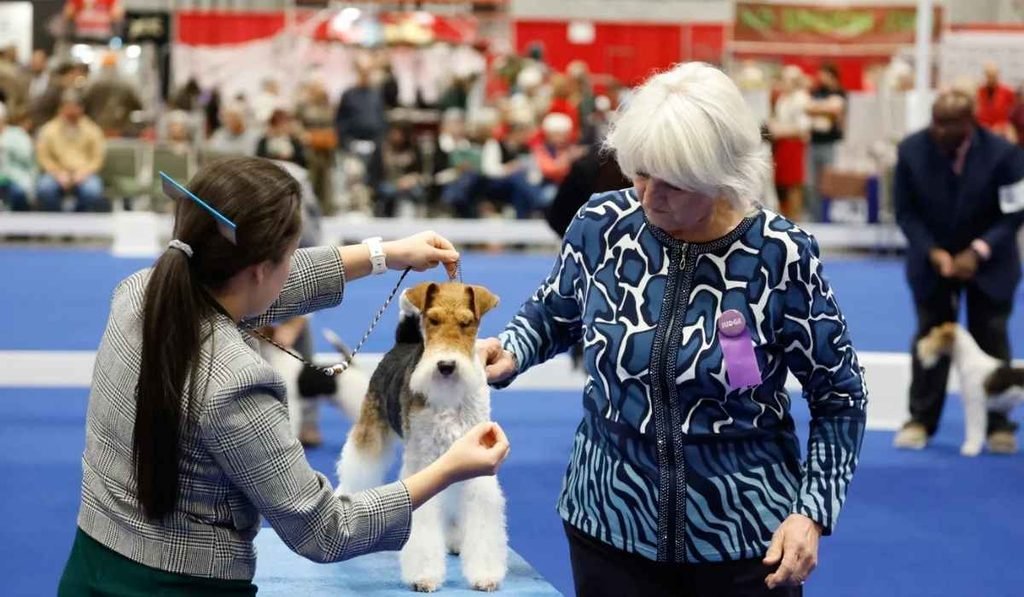
Responsible breeding practices depend on comprehensive health testing to reduce inherited genetic conditions across generations. Researching through infodogs reveals essential health screening protocols recommended for specific breeds, including hip evaluations, eye certifications, and cardiac tests. Elite breeders conduct these tests before pairing dogs, safeguarding the health and longevity of future litters. Understanding mandatory health checks helps buyer identify ethical breeders who prioritize canine welfare over simple aesthetic appeal. Prioritizing genetic health minimizes future medical issues, giving owners confidence that their purebred companions will enjoy active, comfortable, and vibrant lives.
Comprehensive Canine Nutrition for High-Performance Show Dogs
Maintaining radiant coats, lean muscle mass, and high energy levels requires tailored nutrition designed for show ring performance. By referencing infodogs, pet parents can discover expert dietary strategies that combine high-quality proteins, essential fatty acids, and balanced micronutrients for peak vitality. Active competition dogs demand precise caloric ratios to stay agile and focused during demanding travel schedules and ring performances. Adjusting food portions based on age, exercise levels, and stress prevents weight fluctuations that impact show conditioning. Consistent, optimal nutrition ensures your canine looks and feels exceptional throughout every competitive season.
Daily Grooming Techniques for Show Coat Maintenance
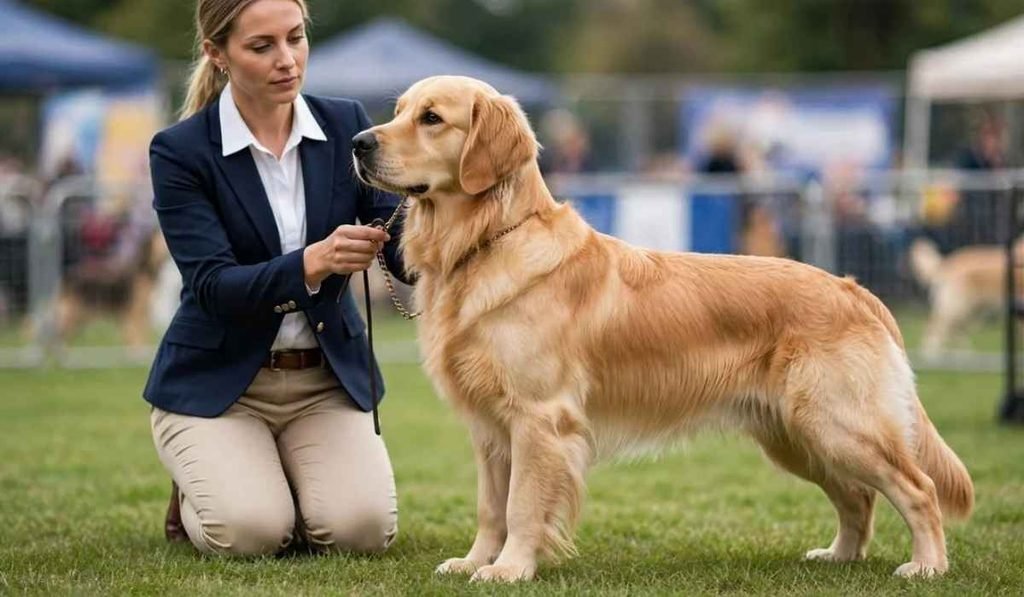
Keeping a canine coat in pristine condition demands specialized grooming tools, high-grade shampoos, and consistent daily brushing routines. Accessing infodogs offers owners invaluable advice on maintaining breed-specific coat textures, from harsh terrier wire-hair to silky spaniel locks. Regular grooming removes loose undercoat, prevents painful mats, and promotes natural oil distribution for a healthy, gleaming coat. Bathing schedules must be carefully managed to avoid stripping natural skin moisture while keeping the fur immaculate for judges. Consistent grooming routines build trust between handler and dog, creating an enjoyable bonding experience.
Effective Obedience Training Strategies for Ring Success
Flawless movement and calm demeanor inside the show ring stem from structured, positive reinforcement training techniques applied early in life. Consulting infodogs guides owners through essential obedience skills, including gaiting at steady speeds, stacking on tables, and accepting judge examinations calmly. Socializing puppies early prevents shyness or over-excitement around crowded ringsides packed with other canine competitors and spectators. Breaking complex training routines into small, daily sessions builds confident behavior without causing mental fatigue or stress. Consistent reinforcement shapes well-mannered companions that handle noisy, unpredictable show environments with total poise.
Navigating Kennel Club Registrations and Documentation
Official registry paperwork provides verifiable proof of purebred lineage, ownership transfers, and official championship titles earned over time. Utilizing infodogs simplifies the administrative process by providing clear instructions on completing registration forms and pedigree tracking paperwork correctly. Accurate documentation is crucial when planning future breeding programs or transferring puppy ownership to new homes. Preserving verified genealogical records preserves breed history and protects the integrity of bloodlines across successive generations. Proper registration management ensures that your dog remains fully eligible for all recognized national and international show events.
Understanding Pedigree History and Ancestry Lineage
Studying multi-generational pedigree charts helps breeders predict physical traits, temperament trends, and potential health characteristics in litters. Utilizing infodogs allows dog fanciers to analyze historic bloodlines, identifying celebrated champions that shaped modern breed developments. Evaluating ancestry helps breeders avoid accidental inbreeding while combining desirable physical characteristics from complementary sire and dam lineages. Understanding historical pedigrees deepens an owner’s appreciation for their dog’s rich heritage and ancestral working origins. Comprehensive pedigree knowledge is an indispensable tool for anyone committed to preserving and improving purebred standards responsibly.
Preparing Show Dogs for Travel and Event Housing
Traveling to distant dog shows requires careful planning to maintain your canine’s comfort, routine, and emotional stability on the road. Information from infodogs highlights essential travel gear, such as sturdy crates, portable water bowls, temperature monitors, and calm bedding options. Keeping feeding schedules consistent during travel prevents digestive upset that could affect ring presentation or overall wellbeing. Choosing pet-friendly lodging with quiet surroundings allows show dogs to rest fully before morning judging starts. Structured travel preparation keeps stress low, ensuring your dog arrives at the show venue well-rested, energized, and ready.
The Role of Professional Dog Handlers in Competitions
Professional handlers bring years of expertise, subtle ring presentation skills, and deep breed knowledge to showcase dogs effectively. Exploring infodogs helps owners understand how professional handlers present animals to highlight structural strengths while minimizing slight physical faults. Handlers handle travel, conditioning, and ring management, allowing busy owners to participate in dog sports without managing daily logistics. Establishing clear communication and trust between owner, handler, and dog ensures seamless teamwork throughout the show season. Hiring an experienced handler often provides a competitive edge, maximizing championship point opportunities across crowded show classes.
Selecting the Right Puppy from a Ethical Breeder
Finding a healthy, well-socialized puppy requires careful evaluation of breeder credentials, facility cleanliness, and parental health clearances. Reading infodogs assists prospective owners in asking breeders targeted questions about temperament, genetic testing, and early puppy enrichment practices. Responsible breeders raise puppies in clean, stimulating home environments, conducting early neural stimulation to foster emotional resilience. Visiting the breeder’s facility allows buyers to observe mother-puppy interactions and assess overall care standards directly. Choosing an ethical breeder ensures you bring home a happy, healthy puppy well-prepared for family life or ring success.
Conditioning and Fitness Routines for Canine Athletes
Top competitive dogs require physical conditioning programs that build stamina, core muscular strength, and joint flexibility safely over time. Insights from infodogs recommend balanced exercise regimens incorporating roadwork, swimming, hill climbing, and balance board exercises tailored to specific breed structures. Muscle tone enhances movement fluidly in the ring, allowing judges to evaluate natural gait without signs of physical fatigue. Fitness routines must be increased gradually to prevent ligament strain or joint injuries, especially in developing young dogs. Consistent conditioning keeps athletic dogs lean, active, and physically resilient throughout their competitive careers.
Preventing Common Canine Health Issues and Injuries
Proactive wellness care involves regular veterinary checkups, vaccination updates, parasite prevention, and immediate attention to subtle physical changes. By checking infodogs, pet owners can learn early warning signs of common ailments like ear infections, bloat, and joint stiffness. Prompt treatment prevents minor physical issues from escalating into chronic conditions that interrupt showing or lower life quality. Maintaining clean living quarters and disinfecting grooming equipment reduces infection risks, especially when visiting busy event grounds. Prioritizing preventive health measures ensures your dog stays vibrant, healthy, and physically comfortable across all life stages.
Socialization Techniques for Confident Show Dogs
Exposing puppies to diverse environments, sounds, surfaces, and unfamiliar people creates confident, adaptable adult dogs capable of handling stress. Guidance from infodogs emphasizes early socialization strategies, such as visiting busy parks, attending puppy classes, and practicing table exams. Positive interactions during early developmental fear periods prevent lifelong anxieties or fearful responses to unfamiliar ring conditions. Socialized dogs remain relaxed when judges perform hands-on structural checks, displaying friendly, calm dispositions under scrutiny. Investing time in early socialization produces well-adjusted companions that thrive both inside competitive rings and within household settings.
Understanding Canine Psychology and Behavioral Cues
Deciphering canine body language enables owners to respond appropriately to signs of stress, excitement, or physical discomfort in their pets. Reading infodogs helps handlers recognize subtle signals like lip licking, ear positions, tail posture, and avoiding eye contact. Understanding stress triggers allows handlers to offer timely reassurance or alter environments before unwanted behaviors or anxiety manifest. Positive communication fosters deep trust, allowing dogs to feel secure during busy, noisy event competitions. Mastering canine behavior principles strengthens handler-dog bonds, resulting in cooperative partnerships built on mutual respect, trust, and clear communication.
Preparing Crate and Mat Training for Event Comfort
Crate training provides a familiar, safe sanctuary where dogs can rest peacefully amid busy, noisy show venue environments. Insights on infodogs explain how to condition dogs to view crates positively using treats, soft bedding, and steady, calm routines. A crate-trained dog rests quietly between ring times, conserving energy needed for intense movement and judging rounds. Crates also ensure physical safety during vehicle transport, protecting dogs against sudden stops or unexpected travel hazards. Mastering crate comfort guarantees that your pet remains calm, secure, and relaxed no matter where competitions take place.
Choosing Quality Show Equipment and Handling Leads
Selecting correct show leads, collars, and table mats impacts both ring safety and visual presentation during competitive judging events. Consulting infodogs gives owners practical knowledge on selecting lightweight, strong leads that blend subtly with the dog’s coat color. Proper collar placement allows gentle guidance without causing neck strain or restricting natural head carriage while gaiting around rings. Anti-slip table mats provide secure footing during judge evaluations, boosting puppy confidence on elevated surfaces. Investing in professional-grade handling equipment enhances ring presentation while ensuring safety and physical comfort for your canine athlete.
Managing Senior Show Dogs and Retirement Care
Transitioning retired champion dogs into comfortable senior lifestyles requires adjusting diet, exercise intensity, and joint management routines thoughtfully. Articles on infodogs highlight specialized care plans for aging dogs, including orthopedic bedding, gentle daily walks, and joint supplements. Veteran show classes allow retired champions to revisit the ring, celebrating their lifelong achievements alongside appreciative breed enthusiasts. Monitoring senior health through frequent veterinary visits ensures early detection of age-related issues like arthritis or organ changes. Providing loving, comfortable retirement environments honors your dog’s dedicated service, loyalty, and competitive achievements over their lifetime.
The Future of Purebred Dog Sports and Registries
Modern technology continues transforming how registries track pedigrees, manage show entries, and share health data with global canine communities. Exploring infodogs demonstrates how digital tools streamline competition management, offering real-time score updates, live stream feeds, and online pedigree searches. Genetic research advancements allow breeders to make precise breeding decisions, continuously improving overall canine health and structural longevity. Expanding youth handler programs encourages new generations to join dog sports, preserving historical breed standards for decades ahead. The evolution of digital canine resources ensures that dog sports remain transparent, accessible, and enjoyable for enthusiasts worldwide.
FAQs
- What is the primary purpose of infodogs for dog handlers?
- It provides accurate AKC show schedules, entry deadlines, and real-time competition results.
- How often are show results updated on infodogs?
- Show results are updated rapidly following the conclusion of official judging events.
- Can prospective dog owners use infodogs to research breed traits?
- Yes, owners can research official breed standards, physical characteristics, and temperaments thoroughly.
- Does infodogs assist with tracking championship points?
- Yes, handlers can track earned points and major wins toward official championship titles.
- Is infodogs accessible for both novice owners and professional handlers?
- Yes, the platform offers valuable canine data for beginners and seasoned handlers alike.