
Innøve: 10 Best Proven Ultimate Product Guides & Amazing Info
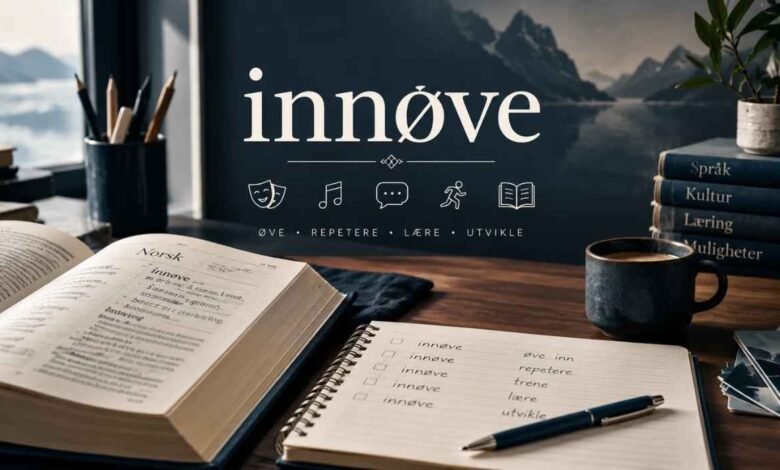
Understanding the foundational concepts behind Norwegian skill acquisition can unlock remarkable personal growth and professional development across various disciplines. The primary term innøve describes a structured method of gaining proficiency through focused repetition, intentional drills, and systematic rehearsal techniques. Innove When you integrate innøve into daily routines, complex tasks transform into fluid habits that can be executed flawlessly under Innove demanding conditions. Modern practitioners recognize that innøve bridges the crucial gap between holding theoretical Innove knowledge and performing practical actions effortlessly. By examining how innøve works across diverse environments, Innove individuals can optimize their daily habits, elevate professional outputs, and refine essential life skills through consistent practice.
Quick Bio
| Detail Field | Description Overview |
| Primary Term | Innøve |
| Linguistic Origin | Norwegian Language |
| Word Classification | Action Verb |
| Direct Meaning | To practice or rehearse through repeated effort |
| Core Focus | Practical skill mastery and execution accuracy |
| Common Applications | Arts, athletics, speech prep, workplace routines |
Concept Definition
Defining the Norwegian verb innøve requires focusing on deliberate repetition rather than simple passive exposure or light memorization. When individuals engage with innøve, they purposefully repeat targeted tasks until correct movements or concepts become second nature. This active approach ensures that every repetition refines execution and builds solid muscular or mental patterns over time. Unlike casual study, applying innøve demands active participation and sharp cognitive engagement during every single training session. Understanding this fundamental definition allows learners to set clear expectations for their overall personal mastery journey.
Historical Context

Exploring the historical background of innøve highlights how traditional European training systems prioritized master craftsmanship and structured preparation. Rooted deeply in Scandinavian cultural practice, innøve evolved as a natural way to describe learning complex trade skills through repetition. Early apprentices relied on innøve principles long before modern educational psychology formalized cognitive training frameworks. The enduring presence of innøve in daily language shows how societies always valued disciplined practice over unrefined natural talent. Studying this history reminds modern learners that reliable expertise requires patient, systematic, and repeated effort.
Linguistic Roots
Linguistic analysis reveals that innøve consists of the prefix meaning inward paired with the core verb for practice. Combining these distinct elements creates the complete term innøve, which signifies internalizing a skill deeply through focused physical or mental drills. Similar structures exist in neighboring languages, showing a shared regional emphasis on structured training methodologies. The specific spelling of innøve reflects authentic Scandinavian phonetics and precise semantic meaning. Recognizing these linguistic roots helps students appreciate why innøve explicitly describes internalizing knowledge rather than simply skimming information casually.
Practical Mechanisms

The operational mechanisms behind innøve involve establishing a continuous loop containing action, feedback, correction, and immediate re-attempting. Learners practicing innøve break complicated tasks into smaller units to isolate specific weaknesses before attempting full routines. This methodical breakdown allows innøve to prevent faulty habits from taking root during early development stages. Through systematic refinement, innøve turns awkward movements into natural reactions that require minimal conscious thought. Following these clear mechanics ensures that every training hour delivers maximum skill progression and performance consistency.
Academic Applications
Educational institutions utilize innøve to help students master challenging academic subjects, public presentations, and laboratory procedures effectively. Teachers encourage learners to use innøve when preparing speeches or rehearsing complex mathematical problem-solving steps. Applying innøve in study routines builds academic confidence because students test their recall under simulated exam conditions. Furthermore, academic innøve fosters self-directed learning habits that benefit students throughout their entire professional careers. Integrating structured repetition into study habits transforms passive reading into active, high-yield skill acquisition.
Athletic Performance

Professional athletes rely heavily on innøve to perfect technical maneuvers, tactical plays, and physical reaction speeds. Dedicated sports training uses innøve to drill fundamentals like passing accuracy, footwork patterns, and stroke mechanics endlessly. Under intense match pressure, athletes who practiced innøve execute correct movements automatically without hesitation or anxiety. This high level of physical consistency highlights why innøve forms the backbone of elite sports coaching globally. Committing to regular athletic drills ensures steady physical conditioning and athletic excellence over long competitive seasons.
Performing Arts
Stage performers, musicians, and dancers utilize innøve to master intricate pieces before appearing in front of live audiences. An actor practices lines using innøve until every nuance, vocal tone, and stage movement feels completely organic. Similarly, orchestra musicians employ innøve to synchronized complex arrangements across entire ensembles smoothly. The artistic discipline demanded by innøve separates amateur attempts from world-class artistic presentations. Through relentless creative rehearsal, artists transform script pages and musical notes into captivating live stage performances.
Workplace Efficiency
Modern corporate teams adopt innøve principles to streamline standard operational procedures, customer communications, and safety routines. Employees participating in innøve training simulate sales presentations and emergency responses until standard guidelines are fully internalized. Utilizing workplace innøve reduces operational mistakes, lowers employee stress levels, and elevates service delivery standards across departments. Organizations that champion structured preparation foster resilient workforces capable of handling unexpected operational challenges. Investing time in employee skill rehearsal pays long-term dividends in overall productivity and client satisfaction.
Digital Skills
Mastering new technology platforms requires applying innøve to complex software interfaces, keyboard shortcuts, and coding syntax. Tech professionals rely on innøve to execute system deployments, security checks, and data management tasks efficiently. By practicing digital routines using innøve, specialists minimize human error during critical system updates and cloud migrations. Continuous technological shifts make ongoing practice essential for software developers and data analysts worldwide. Developing tech fluency through repeated drills ensures seamless adaptability in fast-moving digital industries.
Cognitive Development
Neurological research supports innøve by showing how repeated deliberate actions strengthen neural pathways within the human brain. Engaging in regular innøve practice promotes neuroplasticity, enabling individuals to retain complex information well into older age. The mental effort required during innøve sharpens concentration, memory retrieval, and problem-solving abilities significantly. Learners who embrace structured drills experience reduced cognitive fatigue when performing demanding professional assignments. Systematic cognitive practice provides a strong foundation for lifelong mental sharpness and intellectual growth.
Common Misconceptions
A frequent misconception confuses innøve with general innovation because the terms share similar visual character spellings. While innovation involves inventing new ideas, innøve focuses strictly on rehearsing established actions until perfected. Another error assumes innøve means passive reading, whereas authentic practice demands active physical or mental execution. Clarifying what innøve actually represents prevents learners from choosing ineffective study methods. Recognizing these vital semantic distinctions ensures individuals apply correct methodologies when pursuing true personal mastery.
Personal Growth
Individuals seeking personal development use innøve to establish healthy life habits, acquire foreign languages, and build creative talents. Incorporating innøve into personal routines builds self-discipline through measurable daily progress and focused self-reflection. People who practice innøve regularly report higher self-confidence when tackling unfamiliar challenges or entering new industries. The structured nature of this approach eliminates self-doubt by proving that skill mastery stems directly from effort. Dedicated daily habit rehearsal transforms ambitious personal goals into achievable real-world milestones.
Communication Mastery
Public speakers, executives, and diplomats utilize innøve to refine body language, vocal pacing, and persuasive messaging strategies. Rehearsing speeches using innøve helps presenters eliminate filler words and manage anxiety before major audience presentations. Strong communicators rely on innøve to deliver precise messages clearly during high-stakes negotiations or media interviews. Practicing speech delivery builds rapport with audiences by ensuring presentation content flows naturally without hesitation. Mastering verbal delivery through structured rehearsal remains one of the most valuable professional career assets.
Professional Onboarding
Human resource departments incorporate innøve into onboarding frameworks to train new hires on complex internal software tools. New employees practice job responsibilities via innøve in safe sandbox environments before handling actual client accounts. This hands-on training style uses innøve to accelerate employee independence while maintaining strict quality control standards. Organizations using structured onboarding routines experience higher retention rates and smoother team integration processes overall. Systematic employee rehearsal lays the groundwork for sustained operational excellence and team productivity.
Error Correction
Effective skill development requires using innøve to identify specific mistakes instantly and modify execution mechanics accordingly. During training sessions, innøve allows practitioners to analyze failed attempts without frustration and adjust their approach immediately. This systematic error correction model ensures that bad techniques are caught and eliminated early in practice routines. Learners who embrace constructive feedback through innøve progress much faster than those who practice aimlessly without direction. Precise feedback combined with disciplined repetition remains the fastest path toward absolute skill perfection.
Time Management
Structuring efficient training sessions requires applying innøve alongside proven time-management principles like focused interval block training. Allocating specific time blocks for innøve prevents burnout while maintaining high mental energy during intensive practice drills. Practitioners using innøve achieve superior results by prioritizing short, frequent practice sessions over rare, exhausting marathons. Smart scheduling ensures that practice remains consistent, engaging, and highly effective over extended developmental periods. Organizing training calendars systematically maximizes skill gains while protecting overall personal well-being.
Long-term Retention
Sustaining high proficiency over years requires periodic innøve refresher sessions to prevent skill decay and maintain execution speed. Experienced professionals use innøve to audit their foundational techniques regularly, ensuring baseline mechanics remain flawless over time. Relying on structured maintenance drills through innøve keeps seasoned experts sharp, reliable, and prepared for sudden challenges. Long-term performance success belongs to individuals who respect foundational practice throughout their entire professional careers. Consistent maintenance rehearsals guarantee that hard-won skills remain vibrant, reliable, and ready for action.
Strategic Implementation
Organizations and individuals can design a complete innøve strategy by setting measurable targets and tracking session progress continuously. Establishing a clear framework for innøve helps maintain motivation and provides tangible proof of improvement over time. Leaders who model disciplined innøve behaviors inspire team members to pursue continuous self-improvement across all projects. As modern industries evolve rapidly, structured skill rehearsal ensures workforce adaptability and long-term competitive advantage. Committing to systemic learning methodologies positions both individuals and enterprises for sustained future achievements.
Methodological Summary
In summary, integrating innøve into personal, academic, and professional environments builds an unshakable foundation for lifelong mastery. Understanding that innøve means deliberate practice empowers learners to approach difficult goals with clarity, patience, and confidence. Every structured rehearsal session utilizing innøve reinforces core competencies, reduces operational mistakes, and elevates overall output quality. By prioritizing continuous repetition over quick shortcuts, individuals unlock their full potential across any chosen discipline. Emphasizing disciplined execution ensures that your knowledge translates into real-world capability when performance matters most.
FAQs
- What does the primary term innøve mean in plain language?
- The term describes learning or perfecting a skill through repeated deliberate practice.
- Is innøve the same concept as innovation?
- No, it means practicing an existing skill, whereas innovate means introducing new ideas.
- Which language does the term innøve originate from?
- The word originates directly from the Norwegian language as an active verb.
- How does innøve differ from general daily practice?
- It specifically implies practicing a task repeatedly until it is fully internalized and ready.
- Can businesses apply innøve to improve daily operational standards?
- Yes, companies use it to drill customer service, safety protocols, and software procedures.