
Messonde: Women’s Fashion Brand – Dresses & Styles

The demand for high accuracy in industrial and scientific measurements has increased dramatically over recent decades. Modern industrial automation relies heavily on precise data collection to maintain strict safety standards and optimal product quality across diverse applications. Understanding how advanced diagnostic devices function enables engineers, technicians, and system operators to streamline technical workflows effectively. Modern sensing tools deliver reliable metrics across harsh operational environments, transforming how quality monitoring is executed.
This comprehensive analytical guide explores the core principles, operational frameworks, structural design, key applications, maintenance guidelines, and future technological trajectories associated with messonde systems used across various modern engineering sectors today.
Quick Bio Table
| Attribute | Details |
| Primary Keyword | messonde |
| Technical Meaning | Measuring Probe / Sensing Device (derived from German Messsonde) |
| Core Functions | Signal Detection, Data Transmission, Environmental Monitoring, Quality Control |
| Key Operational Domains | Industrial Automation, Environmental Sensing, Medical Diagnostics, Aerospace |
| Primary Output Types | Electrical Signals, Optical Telemetry, Digital Sensor Data |
| System Components | Transducer element, protective housing, signal converter, data interface |
Core Fundamentals and Structural Concepts of Sensor Devices
Precision sensing technology forms the backbone of contemporary industrial automation, environmental research, and high-tech manufacturing processes. A sensor assembly designed for rigorous testing tasks must balance delicate electronic detection elements with sturdy structural shielding. Engineers rely on messonde configurations to accurately monitor parameters such as fluid flow rate, core ambient temperature, magnetic field strength, and ambient acoustic waves.
When deployed into high-stress industrial environments, these diagnostic tools ensure consistent operational performance by continuously gathering raw analog data and converting it into actionable digital metrics. Mastering these basic structural concepts enables technical personnel to design, deploy, and maintain sensitive measuring devices effectively.
Detailed Architecture of Modern Analytical Sensing Instruments
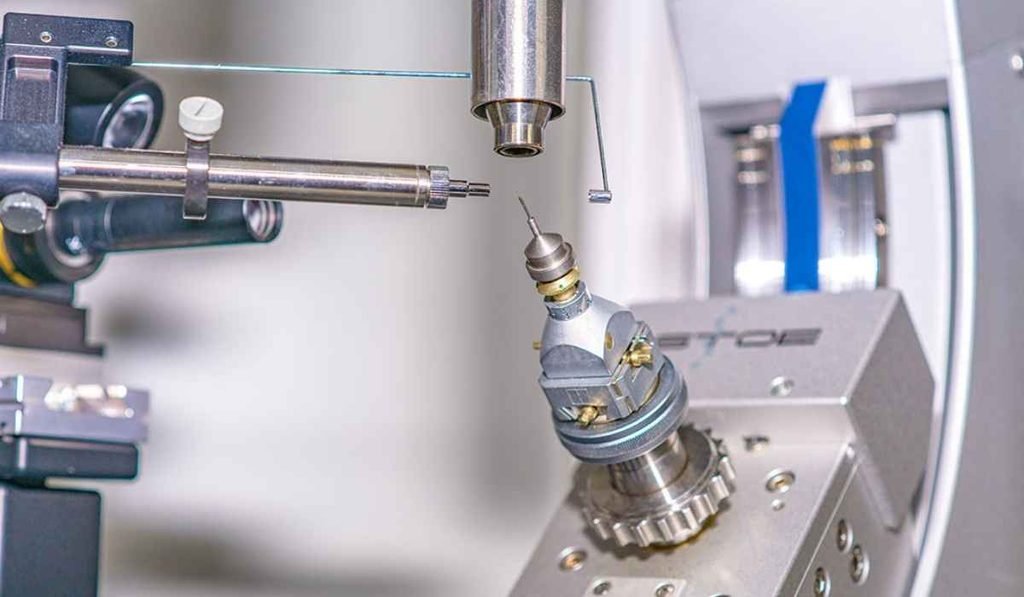
The internal architecture of modern sensing equipment consists of several critical layers working in close harmony. At the physical interface layer, high-grade biological or chemical transducers detect minor environmental fluctuations and transform them into raw electrical pulses. The structural housing around the messonde assembly utilizes stainless steel or high-density polymer compounds to safeguard internal microelectronics against moisture, physical impact, and thermal shock.
Additionally, integrated signal amplifiers clean electrical noise before transmission to external control software. Understanding this multi-tier structural design ensures that calibration specialists can troubleshoot signal degradation problems quickly and maintain uninterrupted data collection across industrial processing lines.
Primary Industrial Applications in Automated Systems
Industrial automation systems require constant telemetry input to regulate heavy machinery, control environmental conditions, and avoid hardware failures. Integrating a reliable messonde unit directly into an automated pipeline enables continuous real-time monitoring without requiring manual technician oversight. In chemical manufacturing facilities, these specialized probes track fluid viscosity, fluid level changes, and internal pressure variations to prevent accidental system overpressurization.
Industrial robotics also rely on localized diagnostic sensors to adjust mechanical positioning, optimize robotic movement speed, and verify structural assembly alignment. Implementing high-precision telemetry interfaces ultimately increases overall factory throughput while reducing operational downtime and lowering maintenance expenses across automated production facilities.
Thermal Monitoring Capabilities in High Temperature Testing
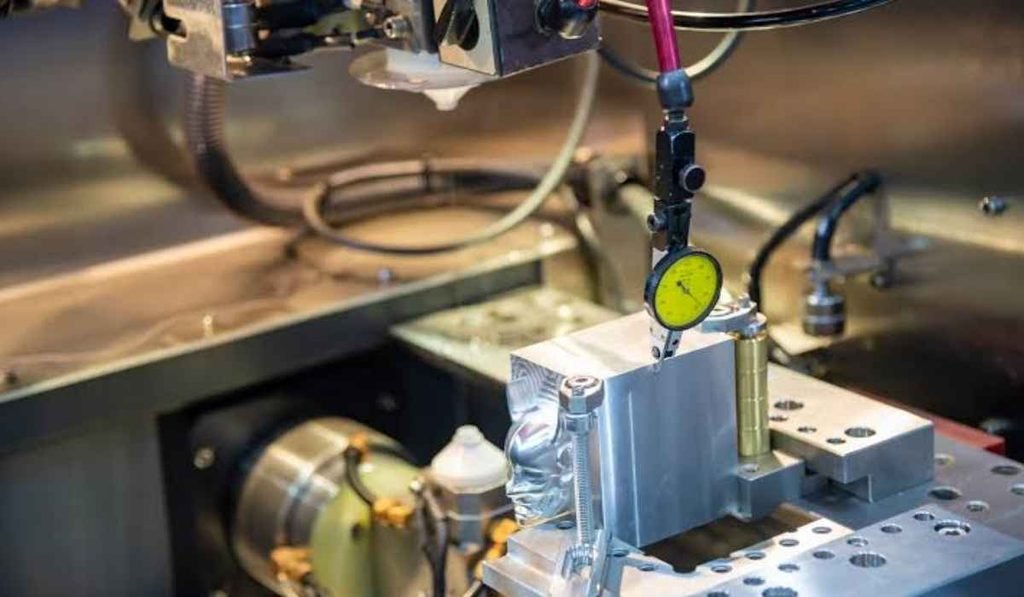
Accurate thermal measurement is essential for safely managing power generation plants, aerospace engine testing, and metal fabrication workshops. Specialized thermal diagnostic units like the messonde deliver exceptionally stable readings under extreme heating conditions where standard consumer thermometer probes melt or fail. These heavy-duty sensors utilize specialized thermocouples and resistance temperature detectors wrapped in heat-resistant ceramic insulation.
By accurately recording extreme thermal gradients across critical machinery components, maintenance teams can identify localized hot spots before structural metal fatigue occurs. Consequently, accurate high-temperature detection protects human operators, extends heavy machinery operational lifespans, and maintains strict thermal compliance during complex thermodynamic processes.
Fluid Mechanics and Pressure Analysis Technologies
Analyzing fluid dynamics inside high-pressure pipelines requires instruments capable of measuring velocity, shear stress, and static pressure simultaneously. Incorporating an engineered messonde inside a hydraulic conduit allows fluid engineers to capture precise flow profiles and pinpoint localized turbulence patterns. These aerodynamic probes feature tiny micro-apertures connected directly to internal piezoresistive pressure transducers.
When liquids or gases flow past the sensor head, physical pressure variations are instantaneously registered and digitized for detailed computer analysis. Understanding dynamic fluid behavior helps pipeline operators optimize pumping efficiency, reduce structural pipeline wear, and prevent sudden catastrophic structural failures across municipal water systems and oil refineries.
Environmental Monitoring and Atmospheric Data Collection
Modern environmental science depends heavily on reliable sensing devices deployed across diverse, isolated natural habitats. Environmental monitoring networks frequently deploy a messonde payload via weather balloons or underwater unmanned vehicles to study atmospheric conditions and marine ecosystems.
These environmental monitoring platforms collect critical data regarding atmospheric moisture, ocean salinity, greenhouse gas concentrations, and barometric pressure trends over extended periods. Because natural field environments present unpredictable weather hazards, environmental sensors are designed with low-power microcontrollers and weather-sealed outer enclosures. The continuous data streams gathered by these field sensors help meteorologists predict severe storms, track climate change, and protect delicate natural ecosystems.
Precision Diagnostic Operations in Biomedical Engineering
Biomedical diagnostic equipment demands exceptionally high measurement sensitivity, minimal physical size, and guaranteed biological compatibility. Medical specialists use miniaturized messonde instruments during minimally invasive surgical procedures to measure localized blood flow velocity, internal tissue pressure, and bioelectric potential. These medical-grade biological probes are manufactured using bio-inert materials that prevent tissue rejection or localized inflammation during direct internal contact. Furthermore, micro-sensor integration enables real-time diagnostic telemetry during delicate cardiological and neurological operations. By providing medical teams with instantaneous data regarding vital patient signs, these micro-diagnostic devices improve surgical success rates, reduce procedural risks, and accelerate overall patient recovery post-operation.
Signal Processing and Data Amplification Mechanisms
Raw physical signals captured by environmental diagnostic sensors are often exceptionally faint and susceptible to external electromagnetic interference. To ensure measurement integrity, a modern messonde incorporates active signal conditioning circuitry directly adjacent to its primary physical detection element. This onboard circuitry filters unwanted high-frequency noise, linearizes non-linear analog outputs, and amplifies faint electrical signals to standardized voltage levels. Once conditioned, the continuous analog waveform is processed through a high-resolution analog-to-digital converter for high-speed transmission. Advanced digital filtering techniques further refine data quality, allowing central processing units to interpret environmental changes with sub-millisecond response speed.
Wireless Data Transmission and Remote Telemetry Integration
The rise of the Internet of Things has revolutionized how industrial telemetry data is collected, processed, and visualized remotely. Equipping a messonde unit with wireless transmission modules enables seamless telemetry streaming across long physical distances without expensive cabling installations. Wireless sensing probes utilize energy-efficient protocols such as Zigbee, LoRaWAN, or Bluetooth Low Energy to transmit diagnostic readings directly to cloud-based monitoring databases. Remote operators can monitor equipment health metrics, receive automated warning alerts, and update system configurations through centralized software dashboards. Wireless integration is particularly beneficial for monitoring remote oil rigs, agricultural fields, and distributed electrical power grids efficiently.
Calibration Methodologies and Standardized Accuracy Metrics
Maintaining absolute measurement accuracy requires regular systematic calibration against certified national laboratory reference standards. Over long operational periods, any messonde can experience subtle measurement drift caused by thermal expansion, electronic component aging, or mechanical wear. Systematic calibration protocols involve exposing the sensing element to precisely controlled environmental benchmark values and recording output deviations. Technician teams then adjust internal digital offset coefficients within the device firmware to correct identified reading errors. Rigorous adherence to standardized calibration schedules ensures regulatory compliance, maintains product manufacturing consistency, and prolongs the operational lifespan of high-precision diagnostic instruments in industrial settings.
Material Selection and Corrosion Protection Technologies
Operating sensing equipment within corrosive chemical baths, saltwater marine environments, or acidic industrial processing tanks requires specialized material engineering. Constructing a resilient messonde housing demands alloys like titanium, Hastelloy, or high-purity stainless steel to prevent rapid chemical oxidation. Additionally, specialized protective fluoropolymer coatings are often applied over sensitive internal electronic assemblies to prevent corrosive fluid ingress. Material engineers must select housing components that balance mechanical durability with thermal conductivity to avoid interfering with sensor measurement response speeds. Using advanced anti-corrosive materials ensures long-term operational reliability and prevents expensive premature sensor failures inside harsh chemical processing environments.
Acoustic Sensing and Ultrasonic Diagnostics
Acoustic diagnostic tools are widely utilized across nondestructive structural testing, marine sonar imaging, and medical ultrasound applications. Integrating acoustic transducers into a messonde configuration enables non-invasive inspection of solid metal structures, structural concrete, and subsurface geological formations. These acoustic sensors emit high-frequency sound waves into a target material and analyze the returning wave echoes to detect hidden internal fractures, voids, or material inconsistencies. Engineers rely on acoustic telemetry to inspect critical bridge supports, aircraft fuselages, and high-pressure steam pipes safely without causing structural damage. Nondestructive acoustic testing dramatically improves structural safety standards while reducing overall maintenance and inspection expenditures across infrastructure projects.
Electrical Safety Standards and Hazardous Area Certification
Deploying electrical diagnostic equipment into hazardous industrial environments containing flammable gases or combustible dust risks causing catastrophic fires or explosions. Consequently, any messonde intended for hazardous area operation must satisfy stringent international explosion-proof and intrinsic safety certification standards. Intrinsic safety design principles limit stored electrical and thermal energy levels inside the sensor housing, ensuring sparks cannot form during electrical fault conditions. Sturdy explosion-proof enclosures are also engineered to safely contain internal electrical ignitions without rupturing into surrounding hazardous atmospheres. Compliance with international safety standards protects industrial plant facilities, prevents catastrophic equipment destruction, and safeguards worker health.
Integration Strategies with Industrial Control Systems
Modern industrial manufacturing relies heavily on centralized Programmable Logic Controllers and Supervisory Control and Data Acquisition architectures. Integrating a messonde unit into an established industrial control framework requires standardized hardware communication protocols like Modbus, PROFIBUS, or HART. These digital telemetry protocols allow central control processors to configure sensor parameters, request live diagnostic data, and run automated calibration routines remotely. Seamless control system integration allows manufacturing facilities to execute fully automated feedback loops where real-time sensor inputs instantly adjust valve positions, heating element outputs, or motor speeds. Automated operational loops optimize resource consumption, improve manufacturing output consistency, and minimize human operational errors.
Optical Sensing Innovations and Fiber Optic Measurement
Fiber optic technology has introduced unprecedented measurement capabilities to high-electromagnetic interference environments where electrical sensors perform poorly. Optical messonde designs utilize flexible glass fiber cables to transmit light beams toward specialized optical detection elements. Changes in temperature, physical strain, or pressure alter the optical refractive index or wavelength spectrum of light traveling through the fiber core. Because optical sensing cables carry light rather than electrical current, they are completely immune to intense electromagnetic noise, high voltage interference, and lightning strikes. Optical diagnostic systems are extensively used inside high-voltage electrical transformers, rail transport infrastructure, and high-power radio broadcast transmission facilities.
Portable Field Diagnostics and Handheld Testing Devices
Field service technicians frequently require portable, battery-powered diagnostic instruments to perform on-site troubleshooting and equipment verification. A handheld messonde system combines compact sensing probes with ergonomic readout displays and rechargeable lithium-ion battery units. These portable testing units allow field engineers to verify environmental conditions, perform quick hydraulic checks, and audit safety parameter compliance in isolated field locations. Modern portable instruments feature internal data logging storage, enabling technicians to capture thousands of diagnostic data points for subsequent computer analysis. Compact diagnostic tools provide field service teams with flexibility, rapid diagnostic capability, and reliable precision away from traditional laboratory facilities.
Machine Learning Integration and Predictive Maintenance Trends
The convergence of artificial intelligence and advanced sensor technology is reshaping traditional industrial equipment maintenance strategies. Streaming continuous data from a messonde into predictive machine learning algorithms allows industrial operators to detect minor operational anomalies long before mechanical failure occurs. AI algorithms analyze historical temperature spikes, vibration signatures, and pressure fluctuations to predict component wear rates with high mathematical precision. Instead of relying on fixed calendar maintenance schedules, plant managers can schedule targeted repairs only when predictive algorithms flag impending component failure. Machine learning telemetry reduces unexpected factory shutdowns, optimizes spare parts inventory management, and extends heavy machinery operational lifetimes dramatically.
Quality Control Standards in Precision Manufacturing
High-precision manufacturing sectors such as semiconductor fabrication, medical device assembly, and aerospace engineering demand strict quality control verification. Installing a specialized messonde along automated production lines guarantees that manufacturing tolerances remain strictly within sub-micron limits. In semiconductor cleanrooms, these sensors monitor micro-environmental factors including particle counts, relative humidity, and air velocity to prevent wafer contamination. Immediate real-time feedback allows automated manufacturing machinery to halt operations instantly if environmental metrics stray outside permissible quality ranges. Strict quality control monitoring minimizes costly material scrap, improves finished product reliability, and reinforces corporate reputation for manufacturing excellence across competitive markets.
Challenges in Extreme Operational Sensor Deployment
Deploying sensing instruments into deep-sea oceanic trenches, outer space environments, or nuclear reactor cores presents extreme engineering challenges. A messonde operating in deep water must withstand crushing hydrostatic pressure exceeding hundreds of atmospheric units while maintaining delicate signal sensitivity. Similarly, space-borne telemetry units face intense cosmic radiation, extreme thermal vacuum cycles, and severe launch vibration stresses. Overcoming these daunting technical obstacles requires specialized space-grade electronic components, redundant structural shielding, and resilient fault-tolerant firmware algorithms. Navigating extreme operational challenges pushes sensor technology boundaries, driving innovation that ultimately improves industrial diagnostic equipment used in everyday commercial applications worldwide.
Future Horizons in Sensor Research and Nanotechnology
The future of diagnostic sensing technology lies in molecular nanotechnology and advanced metamaterials research. Emerging messonde designs incorporate carbon nanotubes, graphene sheets, and quantum dot structures to achieve unprecedented detection sensitivity at atomic scales. Nanoscale sensors can detect single chemical molecules, measure tiny magnetic field fluctuations, and monitor cellular biological processes in real time. Furthermore, ongoing research into energy harvesting technology aims to create self-powered diagnostic probes capable of generating electricity from ambient mechanical vibrations or ambient thermal gradients. Next-generation nanoscale telemetry platforms will unlock major breakthroughs in personalized medicine, environmental conservation, and autonomous space exploration over coming decades.
Frequently Asked Questions (FAQs)
- What is the primary operational function of a messonde in modern engineering?
- It serves as a specialized measuring probe designed to capture real-time physical, thermal, or environmental data across various technical applications.
- How do environmental conditions affect the reading accuracy of diagnostic probes?
- Thermal fluctuations, mechanical vibration, and electromagnetic interference can induce measurement drift, requiring protective shielding and periodic system calibration.
- Why is signal conditioning necessary before digital signal conversion occurs?
- Signal conditioning filters out unwanted background noise and amplifies faint electrical signals to guarantee reliable conversion by digital processors.
- What advantages do optical sensing probes offer over conventional electrical units?
- Optical probes offer complete immunity to electromagnetic interference and can operate safely within high-voltage or highly explosive environments.
- How does predictive maintenance utilize telemetry data gathered by industrial sensors?
- Predictive algorithms analyze sensor data trends to forecast mechanical component wear, enabling targeted maintenance before catastrophic machinery failures occur.

One Comment