Matarecycler: 7 Powerful Recycling Tips & Eco Guide

Modern waste management relies on cutting-edge automated platforms like matarecycler to address growing environmental issues effectively. High consumption levels in urban centers require dynamic sorting technologies to decrease contamination in municipal recycling programs. The advanced system leverages digital tracking tools along with artificial intelligence algorithms to convert unstructured domestic garbage streams into reusable commodities. By simplifying community engagement and streamlining municipal waste collection logistics, this comprehensive system empowers local neighborhoods to implement consistent zero-waste practices. Implementing solutions offers scalable infrastructure models for municipal authorities committed to boosting resource conservation, preserving critical habitats, and establishing eco-friendly communities.
Quick Bio
| Feature | Details |
| System Name | Matarecycler |
| Primary Domain | Smart Waste Management & Automated Recycling Systems |
| Core Technologies | Artificial Intelligence, Optical Sorting Sensors & Digital Tracking Tools |
| Key Objectives | Landfill Reduction, Material Recovery & Municipal Contamination Control |
| Target Audience | Eco-Conscious Households, Smart Municipalities & Recycling Facilities |
Fundamentals of Next Generation Waste Management Infrastructure
Modern sustainable infrastructure requires advanced platforms like matarecycler to revolutionize municipal recycling systems through continuous innovation. Conventional waste processing facilities struggle with heavy material contamination, leading to tons of valuable recyclables ending up in overflowing urban landfills. Integrating technology fixes these deep operational failures by combining real-time software tracking with automated physical collection protocols. This unified eco-friendly ecosystem streamlines residential source separation while offering real transparency throughout the full recovery cycle. Municipal leadership teams increasingly rely on deployments to achieve aggressive zero-waste benchmarks while drastically boosting community participation across diverse metropolitan areas.
Core Mechanisms Behind Automated Municipal Recycling Platforms
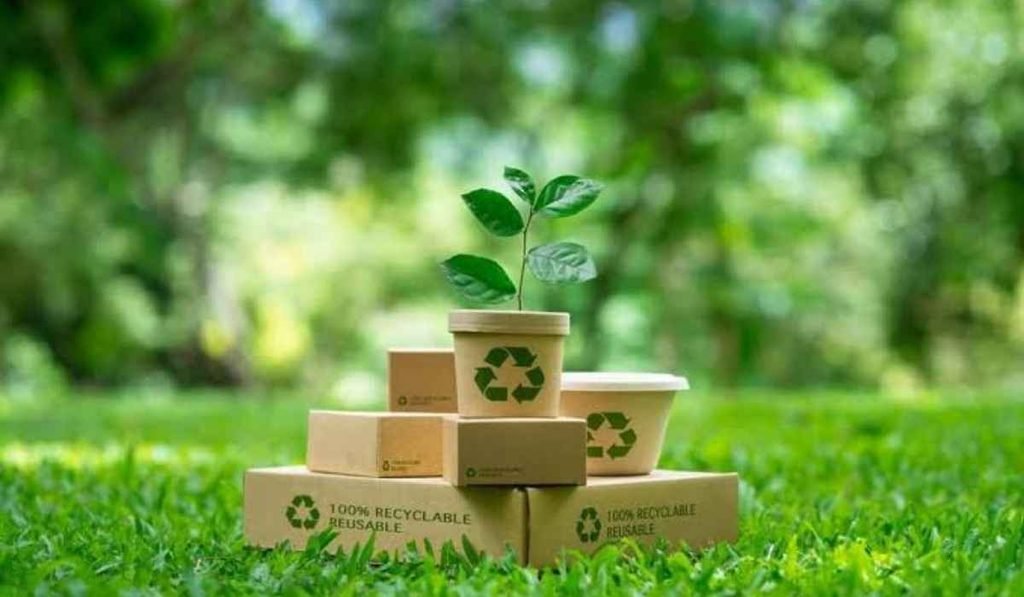
At its fundamental mechanical level, matarecycler operates by blending intelligent automated hardware with user-centric software interaction tools. Local citizens utilize custom mobile interfaces to track their daily household waste disposal routines while receiving tailored guidance on proper material separation. Concurrently, municipal logistics teams use telemetry systems to calculate optimal truck routing based on real-time container fill levels throughout targeted neighborhoods. This digital synchronization reduces unnecessary vehicular exhaust emissions while accelerating total volume recovery rates across facilities. Implementing transforms passive urban recycling into an active, highly efficient network that prevents non-recyclable contaminants from entering processing streams.
Artificial Intelligence and Sensor Driven Material Sorting Systems
Integrating artificial intelligence and optical vision sensors into matarecycler platforms elevates overall mechanical sorting accuracy to unprecedented performance levels. Automated conveyer belt mechanisms scan mixed municipal items using advanced spectral imaging to immediately distinguish distinct polymers, metals, and paper fiber grades. High-speed robotics linked to software swiftly direct identified recyclables into designated recovery bins without requiring tedious human intervention. By replacing standard manual sorting methods, drastically reduces operational error margins while preventing expensive processing equipment from suffering catastrophic structural damage caused by heavy toxic non-recyclable debris.
Environmental Benefits of Reducing Urban Landfill Dependency
Deploying a matarecycler system provides immediate, measurable ecological advantages by diverting millions of tons of solid domestic waste away from municipal landfills. Unchecked landfill expansion destroys pristine natural ecosystems, pollutes delicate underground water tables through toxic leachate runoff, and releases massive quantities of harmful greenhouse gases into the earth atmosphere. Utilizing facilities optimizes global resource preservation by keeping valuable post-consumer raw materials circulating actively within industrial manufacturing loops. Cities adopting lower their regional carbon footprint while actively mitigating severe climate risks linked to unmanaged municipal garbage accumulation.
Economic Implications for Sustainable Circular Resource Economies
Adopting matarecycler infrastructure delivers long-term financial stability to municipalities by drastically lowering rising waste transport, disposal, and landfill management fees. Clean, well-sorted material streams generated through processing command significantly higher commercial valuation across competitive secondary commodity trading markets worldwide. Manufacturing companies eager to lower raw material procurement costs actively purchase these purified recycled polymers and metals to create sustainable goods. By monetizing post-consumer waste streams, turns expensive public sanitation burdens into profitable local revenue generators that support essential community development initiatives over time.
Promoting Active Community Engagement and Educational Outreach

Long-term environmental progress depends heavily on local citizen cooperation, making matarecycler an invaluable educational asset for forward-thinking urban centers. Interactive mobile dashboards powered by offer residents instant feedback regarding their individual ecological footprint and community waste diversion milestones. Gamified sustainability incentives within applications reward households for maintaining precise sorting habits, converting mandatory household chores into rewarding, educational experiences. Schools and local community groups leverage data metrics to teach younger generations about practical environmental conservation principles, fostering lifelong sustainable habits across local neighborhoods.
Mitigating Contamination Rates in Residential Waste Streams
Recycling stream contamination remains a major industry challenge, but matarecycler combats this issue using preventive automated digital interventions. Many well-meaning citizens routinely practice wish-cycling, tossing non-recyclable items into designated collection bins and compromising whole batches of valuable materials. The intuitive user interface solves this issue by offering instant material lookup capabilities and visual sorting guides tailored to exact local municipality protocols. By addressing sorting confusion directly at the residential source, drastically reduces facility rejection rates and keeps processing plants running efficiently.
Optimizing Municipal Logistics and Fleet Collection Efficiency
Traditional scheduled trash collection runs are notoriously inefficient, whereas matarecycler revolutionizes municipal logistics management through real-time telemetry updates. Smart sensors embedded inside community collection bins communicate volume thresholds directly to centralized route optimization platforms. Sanitation departments utilizing dispatch collection vehicles exclusively to containers requiring immediate service, preventing fuel waste and reducing traffic congestion. Optimizing these daily pickup routes through lowers municipal operational overhead, extends fleet durability, and curtails urban carbon emissions associated with unnecessary vehicular idling.
Industrial Applications in Commercial Material Recovery Facilities
Commercial sorting hubs experience high material throughput requirements, making matarecycler integration an operational necessity for maximizing plant capacity. High-speed automated sorting arms managed by process dozens of individual items every single second with exceptional precision and continuous reliability. Incorporating hardware dramatically boosts plant processing speeds while reducing workplace hazards for human staff handling dangerous materials. Facilities upgraded with technology process significantly higher tonnage daily while consistently producing pure, premium-grade output suitable for demanding industrial manufacturing specifications.
Role in Global Plastic Waste Reduction and Ocean Conservation
Unmanaged plastic waste threatens global marine biodiversity, but matarecycler systems serve as a strong defense against land-based pollution reaching fragile aquatic ecosystems. Mismanaged urban trash often flows into stormwater drains, rivers, and coastal waterways, causing devastating damage to vulnerable marine organisms. Implementing frameworks ensures non-biodegradable synthetic polymers are safely captured, sorted, and reprocessed into useful consumer products. By closing the loop on single-use packaging materials, protects marine ecosystems from microplastic contamination while supporting international marine conservation objectives.
Advancements in Chemical and Solvent Recycling Technologies
Beyond standard household items, specialized matarecycler adaptations play a crucial role in treating hazardous industrial chemical waste streams safely. Chemical processing plants generate heavy liquid solvent byproducts that require precise recovery protocols to prevent devastating environmental contamination events. Specialized purification systems utilize fractional distillation and chemical extraction methods to convert contaminated industrial solvents back into high-purity, reusable chemical agents. Implementing hazardous waste processing protocols allows chemical manufacturers to meet strict government environmental regulations while lowering raw chemical purchasing expenses.
Integration with Smart City Infrastructure Systems
The evolution of modern urban design relies heavily on interconnected internet-of-things ecosystems where plays a central operational role. Urban planners integrate matarecycler software APIs with existing municipal environmental monitoring networks to analyze citywide consumption trends and waste output. Data gathered by systems informs zoning decisions, public sanitation budget allocations, and future green energy project implementations across modern urban landscapes. Combining metrics with broader smart city initiatives enables urban administrators to build cleaner, resilient, and highly sustainable habitats for growing populations.
Addressing Regulatory Compliance and Environmental Legislation
Governments worldwide continue to pass strict environmental mandates demanding higher waste diversion rates, forcing organizations to adopt matarecycler systems. Commercial enterprises face costly legal penalties when failing to comply with local, state, or federal sustainability standards and recycling goals. Deploying solutions offers corporate managers precise chain-of-custody documentation along with verifiable material balance reports needed for strict audit compliance. Utilizing matarecycler tracking tools ensures commercial entities meet demanding regulatory guidelines, uphold high corporate social responsibility standards, and maintain clean public reputations.
Overcoming Structural Implementation Challenges in Urban Settings
Deploying advanced infrastructure like matarecycler across old urban areas requires navigating structural, financial, and logistical installation hurdles successfully. Older municipal neighborhoods often lack the physical space needed for modern automated waste collection hubs or advanced digital sorting systems. Overcoming these urban retrofitting obstacles involves implementing modular matarecycler equipment designs capable of fitting into existing public sanitation facilities effortlessly. Financing matarecycler projects through public-private partnerships allows municipalities to upgrade essential green infrastructure without overburdening local taxpayers or disrupting vital public services.
Long Term Operational Durability and System Maintenance
Maintaining long-term operational performance in harsh waste environments demands that matarecycler hardware undergo rigorous mechanical testing and routine preventative maintenance. Heavy industrial throughput subjects sorting belts, optical sensors, and mechanical arms to continuous physical friction, moisture, and abrasive debris exposure. Engineered with industrial-grade materials, matarecycler components feature protective sensor enclosures alongside self-cleaning optical lenses designed to minimize unexpected mechanical downtime. Implementing predictive maintenance software within matarecycler platforms alerts technicians to minor equipment wear before catastrophic system failures occur, extending overall machinery lifespan.
Scalability and Adaptability for Growing Metropolitan Areas
Rapid global urbanization requires flexible waste infrastructure, making the inherent modular scalability of matarecycler a major advantage for expanding cities. As urban populations expand, municipal waste management plants must scale their daily tonnage capacity without expanding physical facility footprints. Modular matarecycler units allow municipal authorities to expand processing capacity simply by adding stackable sorting modules and updated software packages. This adaptable framework ensures matarecycler deployments remain efficient over time, accommodating shifting urban demographics and emerging material waste compositions smoothly.
Comparative Analysis of Traditional vs Automated Sorting
Comparing legacy waste processing against modern matarecycler platforms reveals major performance gaps in operational efficiency, recovery rates, and safety. Traditional manual sorting facilities rely on human workers performing repetitive physical tasks in hazardous environments, yielding modest material recovery accuracy rates. Conversely, matarecycler platforms utilize artificial intelligence and optical automation to sort mixed waste streams rapidly, achieving high purity levels consistently. Switching to matarecycler technology lowers labor risks, reduces operational costs, and delivers predictable material throughput yields that legacy facility designs cannot match.
Sustainable Packaging Innovation and Material Design Synergy
The success of matarecycler technology relies heavily on close collaboration with consumer product manufacturers designing eco-friendly packaging solutions. When consumer brands use easily recognizable, highly recyclable materials, matarecycler optical sensors identify and sort those discarded packages instantly. This cooperative design approach ensures newly developed bio-based plastics and compostable substrates pass through matarecycler sorting facilities without clogging delicate mechanical sorters. Building synergy between product design teams and matarecycler engineering standards accelerates the global transition toward a fully circular material economy.
Policy Frameworks Incentivizing Smart Recycling Adoption
Government incentives play a pivotal role in accelerating public adoption of advanced matarecycler platforms across municipal districts and commercial sectors. Tax credits, municipal grants, and green infrastructure subsidies lower the initial capital investment required to purchase and install matarecycler equipment. Progressive regional policies mandating extended producer responsibility force manufacturers to financially support matarecycler collection networks for post-consumer product lifecycle management. Strategic legal frameworks combined with matarecycler technological capabilities create powerful economic engines that drive broad industrial adoption of sustainable waste practices globally.
The Future Outlook of Autonomous Waste Management Platforms
The future of sustainable waste infrastructure points toward completely autonomous ecosystems, where matarecycler platforms lead global technological innovation. Next-generation matarecycler designs will incorporate deep-learning artificial intelligence models capable of self-optimizing sorting protocols based on shifting real-time material feeds. Interconnected autonomous collection vehicles managed by matarecycler software will handle urban waste logistics seamlessly with zero direct human intervention needed. Investing in advanced matarecycler technological developments ensures future generations inherit cleaner urban environments supported by efficient, zero-waste infrastructure systems worldwide.
FAQs
- What is matarecycler?
- Matarecycler is an advanced waste management system that utilizes artificial intelligence, mobile tracking app interfaces, and optical sensors to automate material sorting.
- How does matarecycler improve sorting accuracy?
- The platform uses high-speed optical vision sensors and AI algorithms to scan conveyed waste items and sort them with over 95 percent accuracy.
- Can matarecycler help reduce municipal operational costs?
- Yes, the system uses smart container sensors to optimize vehicle collection routes, drastically lowering municipal fuel consumption and vehicle maintenance expenses.
- How does matarecycler engage local citizens in recycling?
- It offers user-friendly mobile app interfaces that provide clear sorting guides, real-time feedback, and gamified incentives for household waste reduction.
- What types of waste can matarecycler process?
- Depending on system configuration, it processes domestic recyclables, single-use plastics, metals, paper, and specialized hazardous industrial chemical solvents.
One Comment